
Recommending a restaurant carries a quiet responsibility. When someone asks me where they should eat, they are trusting me with their time, their money, and their evening. A brilliant single dish is relatively easy to find. A restaurant that consistently delivers an excellent overall experience is much rarer. Before I send a friend or a reader to a specific dining room, I look past the impressive plating and pay attention to the operational details. A solid recommendation relies on practical observation, not just a strong reaction to a single meal.
Consistency Over Highs and Lows
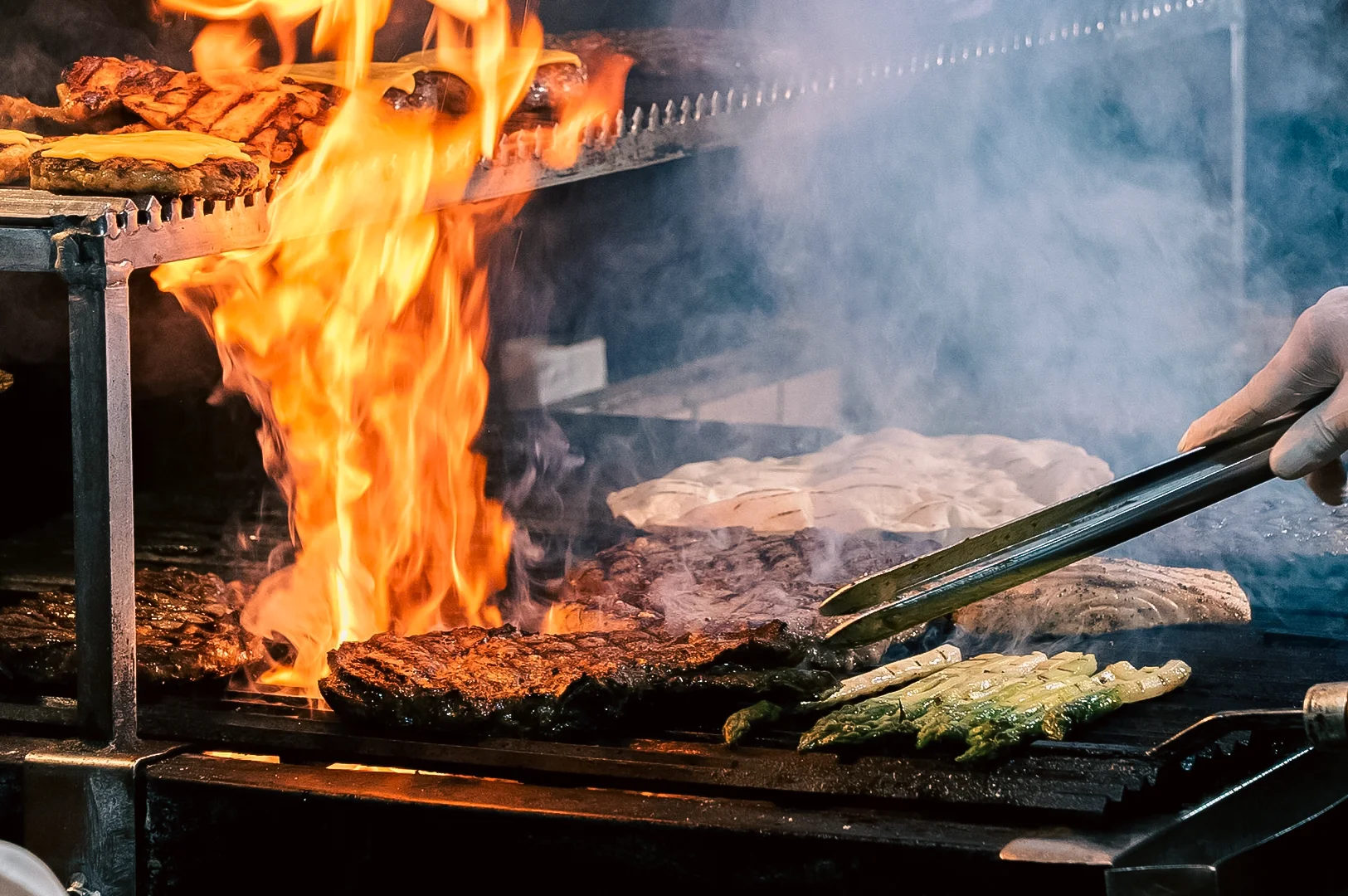
Anyone can get lucky on a quiet Wednesday afternoon. The real test of a kitchen is how it performs during a busy Friday service when the dockets are backing up. I rarely recommend a place after just one visit. I want to see if the signature roast chicken is just as tender the second time around, or if the pasta is still cooked perfectly al dente when the dining room is at full capacity.
Consistency is the foundation of trust in dining. This applies to the front-of-house team as well. If a restaurant swings wildly between brilliant and mediocre depending on which chef is on duty or who is managing the floor, it is too much of a gamble to recommend. You need to know exactly what you are going to get.
The Honest Value Equation
Value is often misunderstood as being synonymous with cheap. That is not the case. Value simply means the experience completely justifies the price tag. I will gladly recommend a $200 tasting menu if the technique, ingredient quality, and pacing make the diner feel their money was respected. Similarly, a $10 bowl of noodles needs to deliver absolute, uncompromising satisfaction for that specific price point.
I look for restaurants that respect the diner's wallet. I watch out for hidden costs, aggressive upselling, or premium pricing attached to average ingredients. If a place charges a premium but cuts corners on portion sizes or basic hospitality, it stays off my list.
The Unspoken Comforts

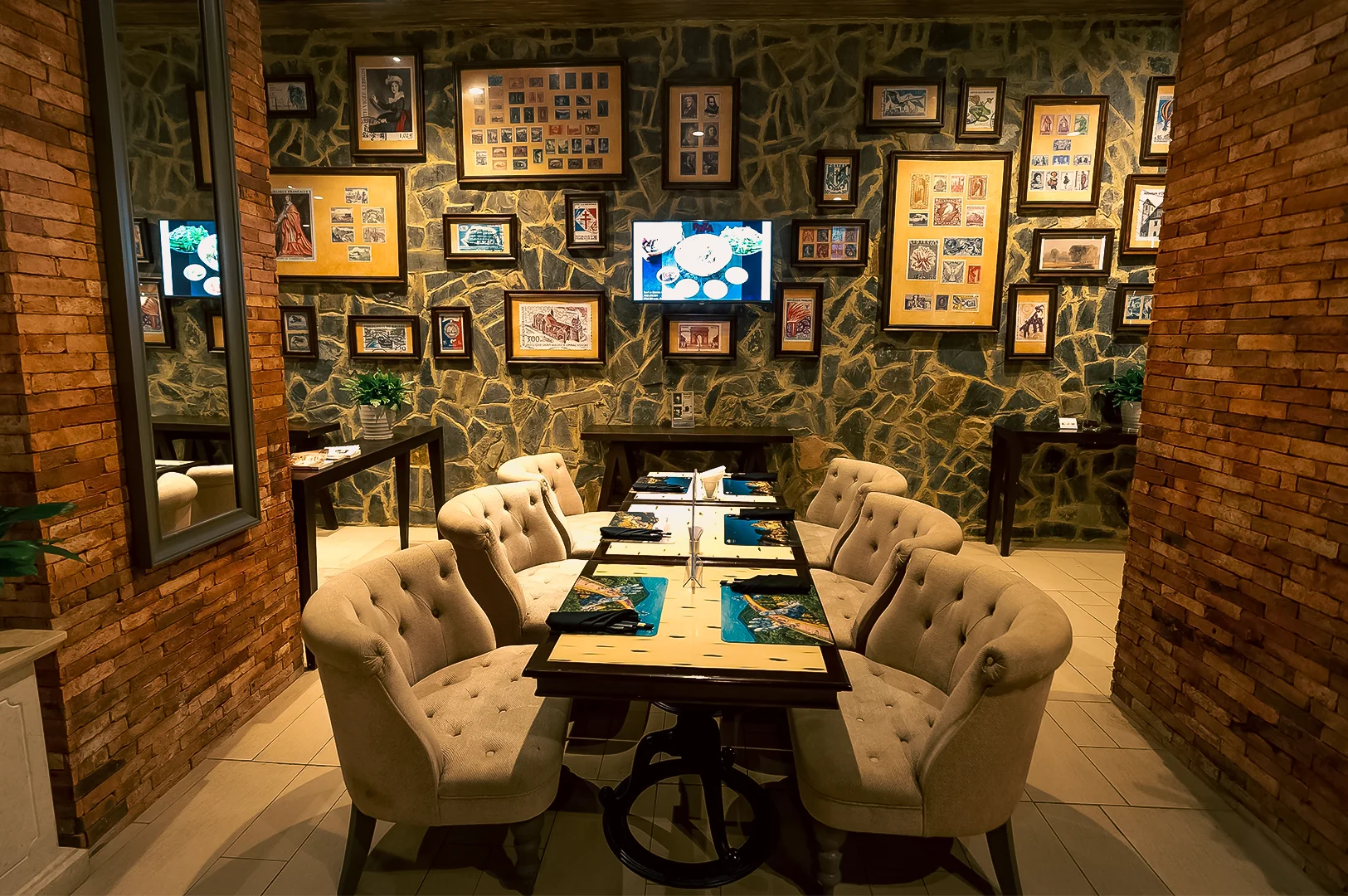
Food is only half the equation. The other half is how the physical space makes a person feel. I pay close attention to the acoustics. Can you actually hold a conversation without shouting across the table? I note the spacing of the chairs, the harshness of the lighting, and the temperature of the room.
Service should be observant rather than overbearing. A great team knows when to refill a water glass and when to step away to let you talk. If the food is excellent but the seating is incredibly uncomfortable or the staff feels dismissive, the recommendation always comes with heavy caveats. Comfort dictates how long you want to stay, and a good restaurant should make you want to linger.
Matching the Person to the Room
Ultimately, thoughtful observation matters because there is no universal perfect restaurant. There is only the right restaurant for a specific situation. A loud, buzzing tapas bar is a terrible recommendation for a quiet business meeting, no matter how good the croquettes taste.
By paying attention to the small details—the reliability of the kitchen, the honesty of the pricing, and the comfort of the room—I can guide people to a place that fits their exact needs. Recommending a restaurant is not about showing off culinary knowledge. It is simply about ensuring your time out is exactly what it should be: time well spent.