
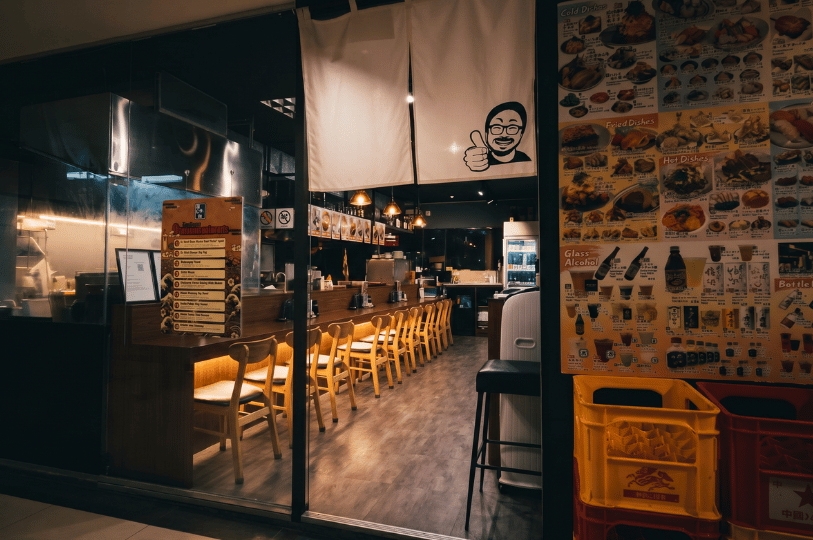
A big menu can feel reassuring at first.
There are pages to flip through, categories to compare, and enough dishes to make everyone at the table feel included. For mall dining especially, this can seem useful. One person wants noodles. Another wants rice. Someone else wants a snack, dessert, or something familiar. A large menu appears to solve all of that.
But bigger does not always mean better.
Too Many Choices Can Slow Everything Down
The first problem is simple: more options usually mean more decisions.
A long menu can make ordering feel harder than it needs to be. Diners start comparing dishes that are only slightly different. They ask more questions. They second-guess what they were about to order. For groups, this can stretch a quick meal into a longer discussion.
This matters in malls, where many meals happen between errands, shopping, appointments, or work breaks. When people are hungry or short on time, too many choices can become tiring rather than helpful.
A Focused Menu Builds Confidence
A smaller menu often tells diners what a restaurant does best. It does not need to offer everything. It just needs to offer enough of the right things.
This can make ordering easier. If a place has a tight selection of noodles, rice bowls, grilled dishes, or desserts, the diner can understand the restaurant faster. There is less guessing and more confidence.
That does not mean every restaurant needs a short menu. Family restaurants, casual chains, and food court stalls may need variety because they serve many different kinds of diners. But even then, structure matters. Clear categories, signature dishes, and useful descriptions can make a large menu feel manageable.
Variety Still Has Its Place
Large menus work best when the restaurant knows how to organize them.
They are useful for families, mixed groups, and repeat customers who want different options across multiple visits. They also help when the restaurant serves a broad audience, especially in a busy mall where diners may not all want the same cuisine or portion size.
The issue is not size alone. The issue is whether the menu helps or confuses.
A good large menu gives diners a sense of direction. A weak one feels like a list of possibilities without a clear reason behind them.
What Diners Should Look For
When deciding where to eat, it helps to notice how the menu is presented. Are the popular dishes easy to spot? Are the prices clear? Are there enough familiar choices without making every page feel repetitive?
A bigger menu can be useful, but only when it reduces friction instead of creating more.
In the end, the best menu is not necessarily the longest one. It is the one that helps people order with confidence, enjoy the meal, and leave without feeling they should have chosen something else.