
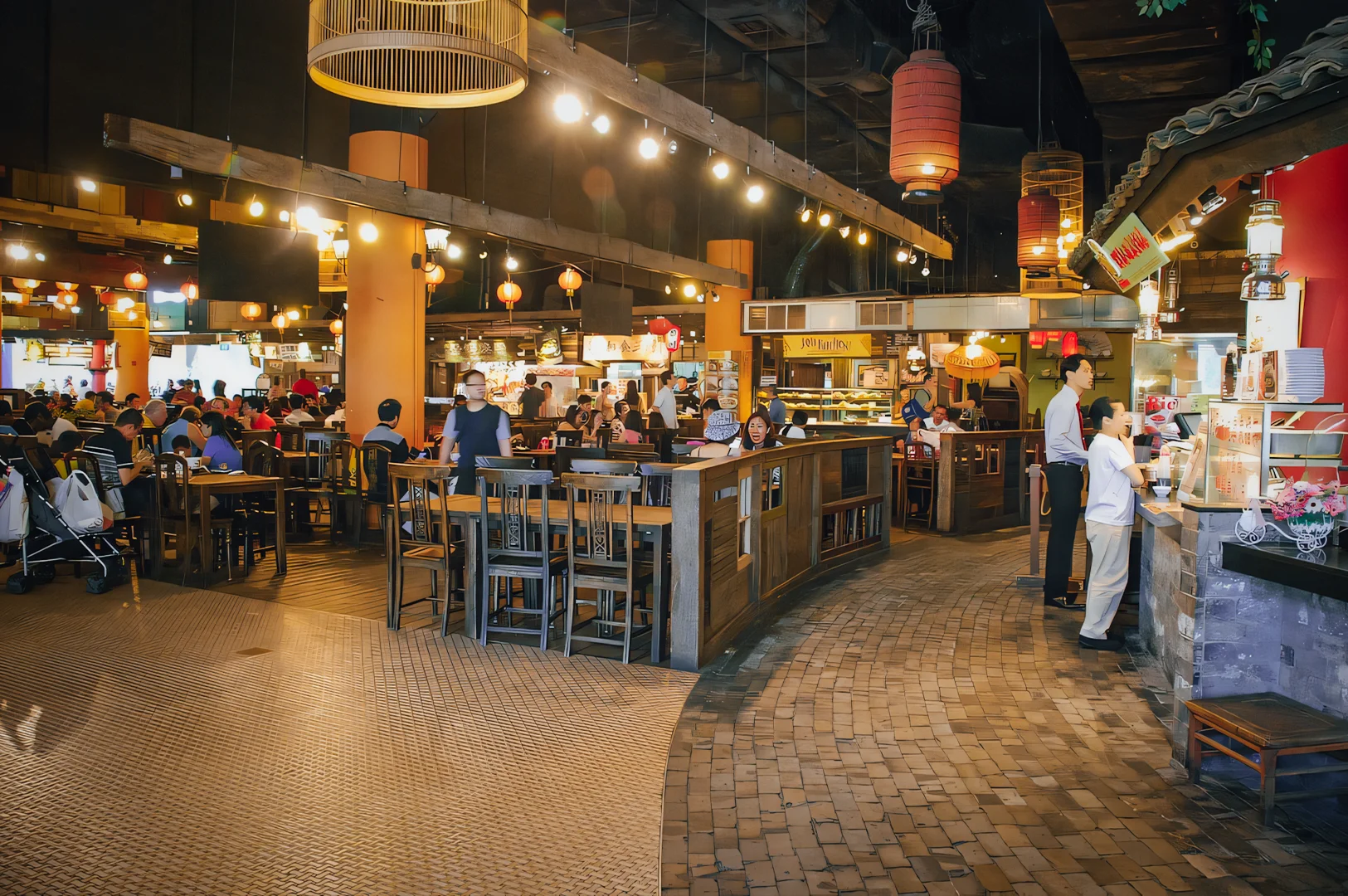
We visit dozens of shopping centers every month. Our team maps out dining directories, reviews menus, and tracks emerging food trends across the island. Because of this routine, we usually navigate food halls with ease. We know exactly where to find the best seating and how to spot the most efficient queues. However, one sprawling mega-mall food court recently broke our winning streak. It was massive, highly complex, and completely derailed our tightly planned schedule.
This particular space did not follow the standard grid layout we typically see. Instead of a simple rectangular hall, it featured multiple interconnected dining zones. Stalls branched off into narrow corridors, wrapped around central seating areas, and even spilled onto a mezzanine level. Within ten minutes, our team completely lost our bearings. We walked past the same busy drinks stall three times before realizing we were moving in a large circle.
Getting turned around ultimately worked to our advantage. When we stopped trying to follow our standard evaluation route, we started paying attention to the quieter corners. Tucked behind a large structural pillar, we found a small vendor selling handmade Hakka abacus seeds. This labor-intensive yam dish rarely appears in modern retail environments due to the time required to prepare it.
A few aisles down, hidden near a back hallway, we discovered a tiny dessert counter serving freshly ground black sesame paste. The aroma alone stopped us in our tracks. These incredible stalls saw far less foot traffic than the brightly lit vendors at the main entrance, yet they delivered exceptional quality and value.
This experience forced our team to rethink how we approach massive dining spaces. If you plan to visit one of Singapore's mega-mall food courts, we recommend a more deliberate, systematic approach. Here are our top strategies for navigating these complex culinary hubs:
Walk the full perimeter first
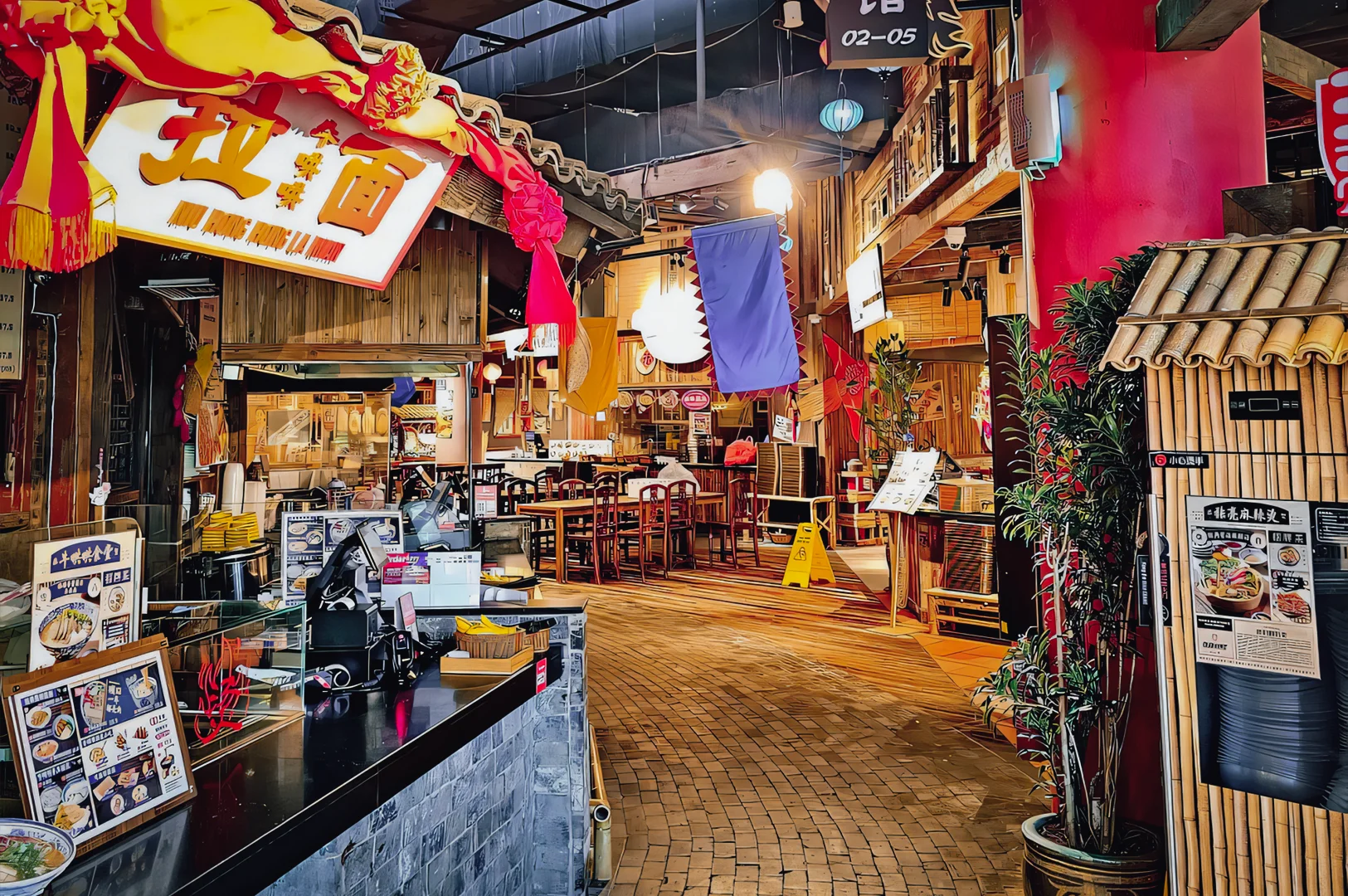
Before you join a queue, take ten minutes to walk the outer edges of the food court. The most unique, specialized stalls often occupy the less prominent corner lots away from the main entrance. You will often find better prices and larger portions in these quieter sections.
Divide your group to scout
If you visit with friends or colleagues, split up immediately. Send one person to check the hotplate and grill section while another reviews the noodle and soup stalls. You can cover much more ground this way. Meet back at a designated table to share your findings before anyone makes a final purchase.
Look for the steady, quiet queues
Pay attention to stalls with short but consistent lines of older diners. These vendors usually serve traditional recipes that rely on regular, loyal customers rather than flashy storefronts or loud promotions.
Secure your seating strategically
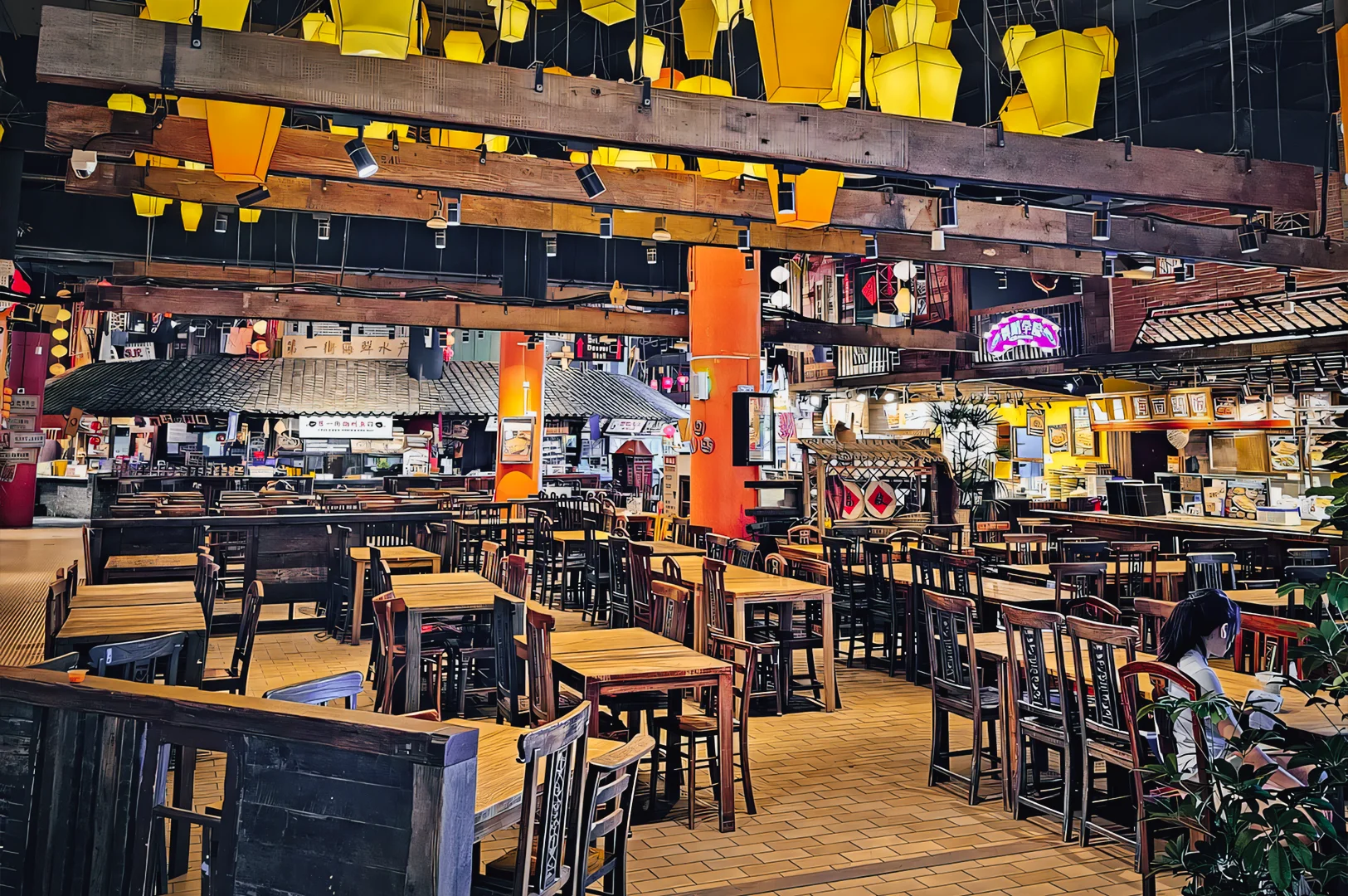
In a massive food court, seating near the main entrance gets taken instantly. Instead, look for tables deep within the complex, specifically near the side exits or structural columns. These areas remain much quieter and give you a better base of operations.
Photograph the digital map
Many large food halls now feature digital maps or physical directories near the entrance. Take a quick photo of this map with your phone. It helps you track your location and ensures you can easily find your way back to a specific stall later.
A massive food court can feel overwhelming at first glance. The sheer volume of choices and the confusing layouts will test your patience. However, treating the space like a culinary ecosystem rather than a quick pit stop changes the entire experience. We spent hours lost in that food court, but we left with a deeper understanding of the space and a fantastic list of hidden eateries.