
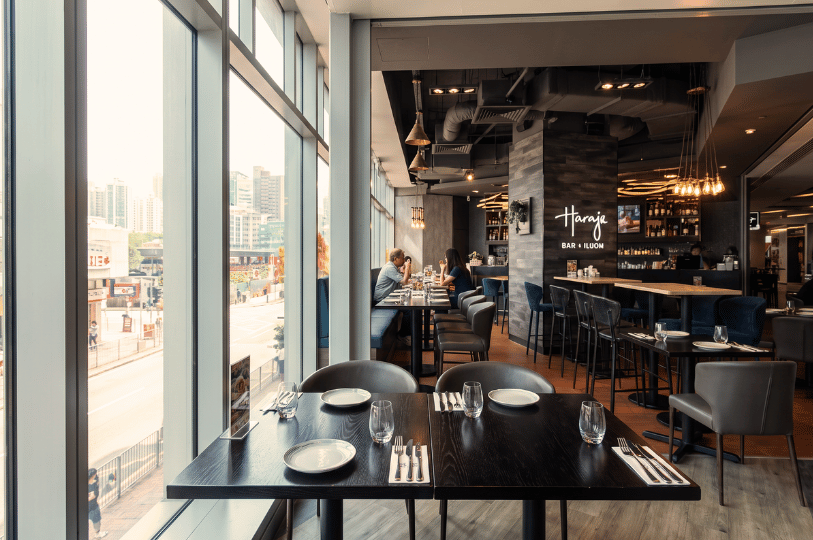
A window seat often feels more desirable before a diner has even looked at the menu. It offers a view, more natural light, and a sense of separation from the rest of the restaurant.
In Singapore malls, the view may not always be an outdoor skyline. Some window seats overlook an atrium, an indoor garden, a water feature, a busy shopping street, or several levels of people moving through the building. These surroundings give diners something to notice while they wait, eat, or continue a conversation.
Natural light is one of the main reasons these tables attract attention. As the work of SG Nomad Photographer often demonstrates, light can change how diners notice food, interiors, and the wider setting around a meal. During the day, seats near large windows usually feel brighter and more open than tables deeper inside the restaurant. Food may also look clearer under daylight, which can make these seats popular with diners who want to photograph their meal.
The view can also make a restaurant feel less enclosed. Mall dining spaces are often surrounded by corridors, shopfronts, and artificial lighting. A window facing greenery, traffic, or open sky creates a stronger connection to the area outside. Even an atrium-facing table can make the dining room feel larger because diners can see movement beyond the restaurant.
Passing activity provides another form of interest. Some diners enjoy watching shoppers, commuters, families, and mall staff move through the space. This can make solo dining feel less isolated and give groups a natural pause in conversation without making the table feel awkwardly quiet.
However, the most visually appealing table is not always the most comfortable one. Afternoon sunlight can create heat or glare, especially near full-height glass panels. Diners may need to adjust blinds, move their chairs, or avoid looking directly toward the window. A bright table that looks pleasant on arrival may become less practical as the sun changes position.
Noise can also be a factor. Seats facing busy atriums, entrances, or main roads may be exposed to announcements, traffic, music, and passing crowds. Restaurants with open fronts sometimes offer strong views but less separation from the wider mall. Diners planning a long conversation may prefer a quieter table farther inside.
Window tables can also provide less privacy. People walking past may be able to see directly into the dining area, especially when the restaurant sits along a main corridor. This may not matter during a casual lunch when it’s just you and the long queue line on the counter, but it can affect diners meeting for work, having a private conversation, or celebrating a personal occasion.
Table layout matters as well. Some window seats are placed along narrow counters or close to glass walls, making them better suited to solo diners and couples. Larger groups may find that central tables offer more room for shared dishes, bags, high chairs, or additional seating.
Window seats remain popular because they add something beyond the meal. They offer light, movement, and a stronger sense of place within the mall. They can make an ordinary lunch feel more relaxed or help a café visit feel connected to the surrounding neighbourhood.
For mall diners, the practical lesson is to consider more than the view. A good window seat should match the time of day, group size, noise level, and purpose of the meal. The most attractive table is not always the best one, but when the setting and comfort align, it can improve the entire dining experience.