
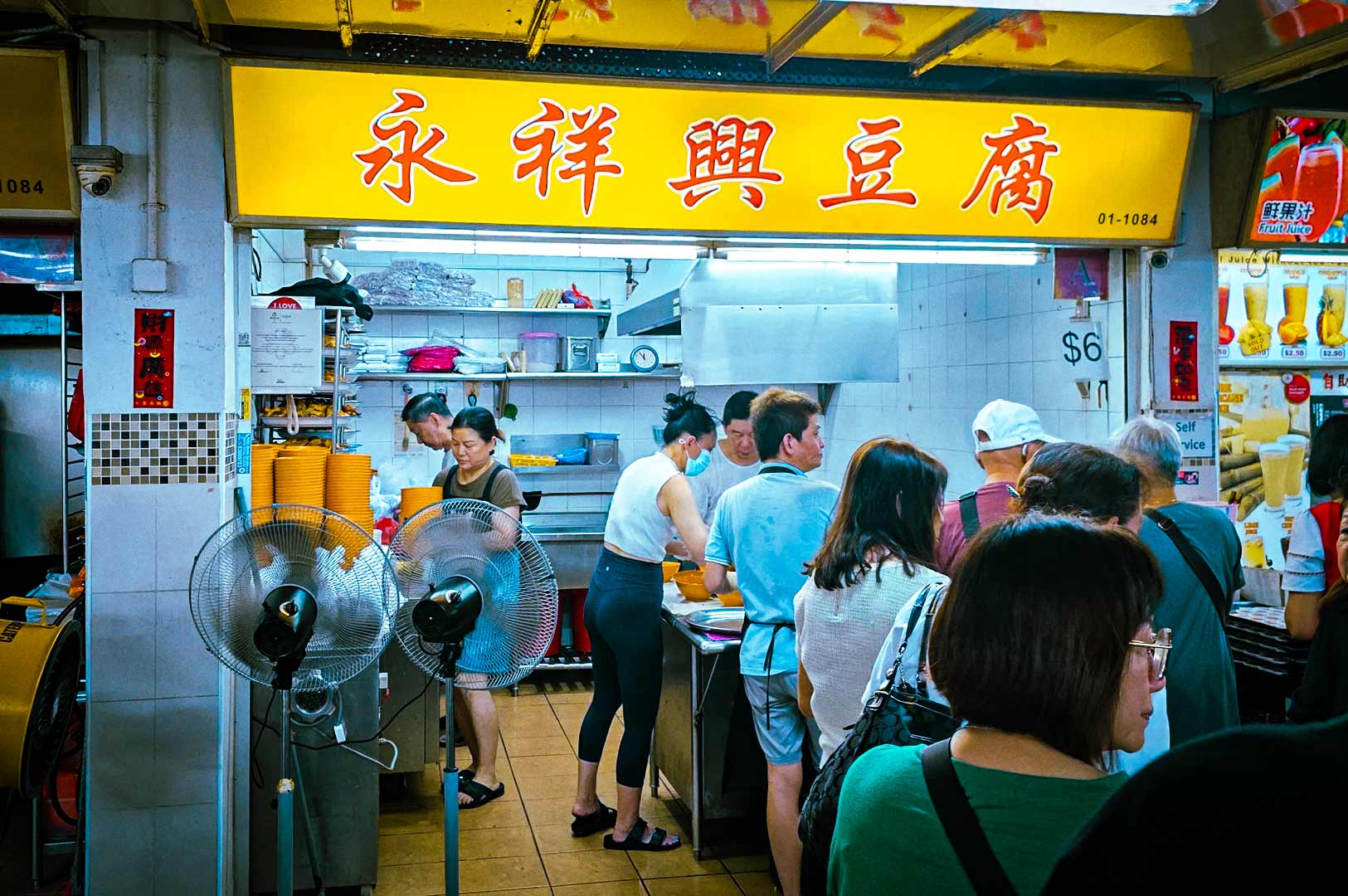
In most culinary traditions, the chef dictates the flavor profile. A ragù is seasoned before it leaves the kitchen; a curry is balanced according to the cook’s palate. The diner’s role is largely passive—to receive, consume, and appreciate. However, within the hawker centers and food courts of Singapore, a different dynamic prevails. Here, the diner is often the final architect of the dish, and nowhere is this clearer than in the realm of Yong Tau Foo and its fiery modern cousin, Mala Xiang Guo.
Yong Xiang Xing Dou Fu, a legendary name on Market Road, stands as a prime case study for this phenomenon. While it operates on a model of extreme efficiency with specific opening hours, the core of its enduring appeal lies in a specific interaction: the personalization of spice. This is not merely about adding heat; it is about "flavor design"—the ability of the consumer to adjust the sensory architecture of their meal. To understand the queues that snake around such stalls is to understand a shift in dining psychology: the move from passive consumption to active participation.
Yong Xiang Xing Dou Fu: A Traditional Yong Tau Foo Experience with Modern Customization and Taste
Historically, spicy food in many cultures was a binary proposition: mild or spicy. You either ordered the spicy version, or you didn't. But the Singaporean palate has evolved towards a far more nuanced requirement. Spice is no longer just a flavor; it is a variable intensity scale that diners expect to control with precision.
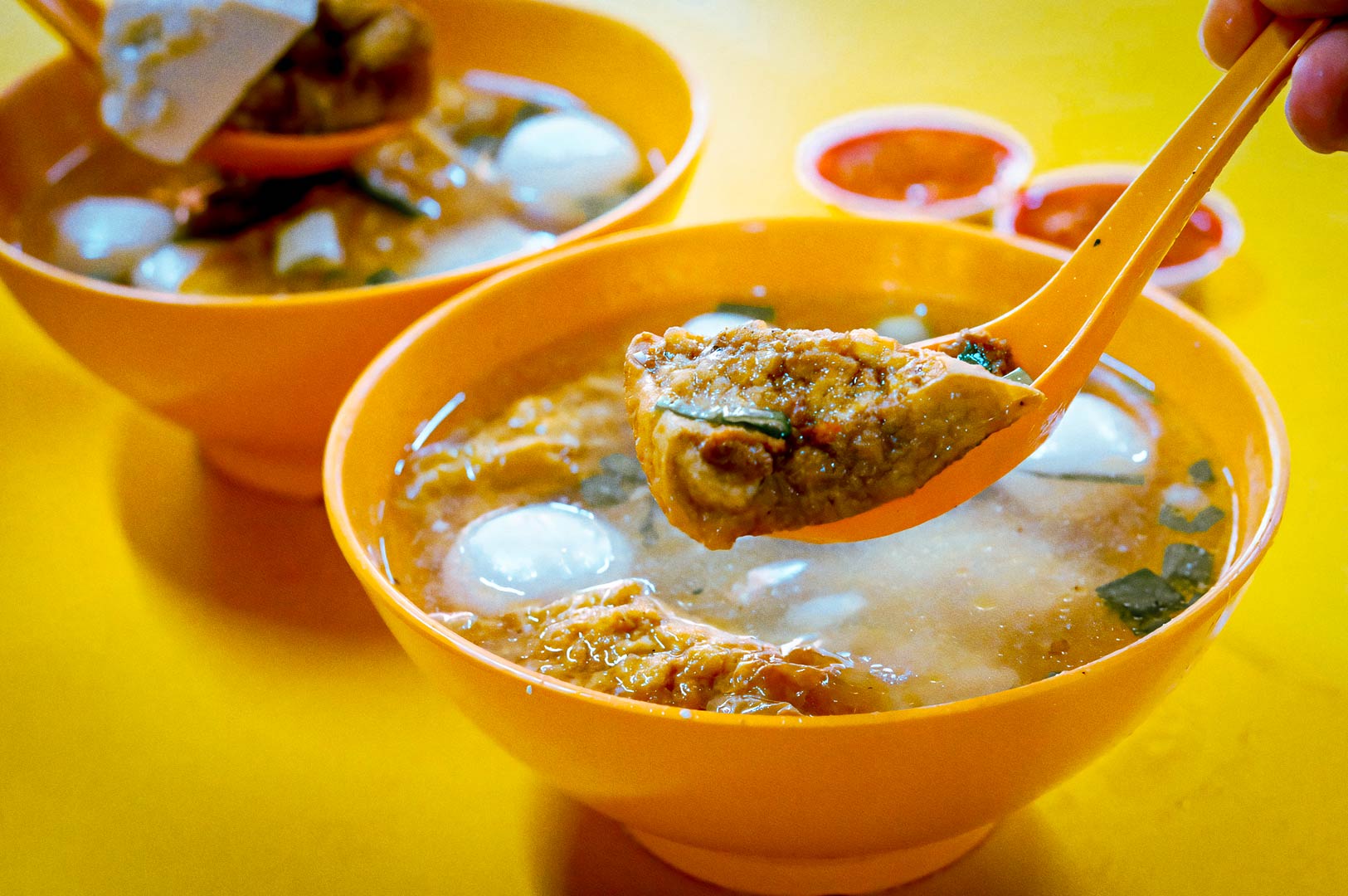
At a stall like Yong Xiang Xing Dou Fu, the chili sauce is not a mere condiment; it is a fundamental component of the dish's engineering. The tofu and house-made fish paste provide the textural foundation—bouncy, soft, and savory—while the sauce provides the narrative arc. This yong tau foo bowl, often including ingredients wrapped in beancurd skin, offers a delicious balance of textures and tastes. By allowing diners to determine the ratio of sweet sauce to chili, or the level of immersion in the soup versus a dry dip, the stall transfers the responsibility of the final flavor profile to the customer.
This personalization transforms a standardized product into a customized experience. One diner might prefer a purely savory, clear, boiled soup experience to cleanse the palate. Another might require a heavy, sweat-inducing hit of chili heat to feel satisfied. The stall provides the same base ingredients to both, yet they eat two fundamentally different meals. This flexibility is the "adjustable design" of hawker food, a feature that modern casual dining concepts are increasingly trying to replicate.
The Logic of the "Build-Your-Own" Format in Singapore’s Dining Area and Its Advantages
While Yong Xiang Xing Dou Fu is famous for its fixed-set efficiency at its original location on Market Road, the broader Yong Tau Foo ecosystem it inhabits is defined by the "build-your-own" mechanic. This format resonates deeply in Singapore because it satisfies two critical psychological needs: control and value perception.
In a high-cost dining environment, the ability to select exactly what goes into the bowl creates a direct link between expenditure and consumption. There is no "wasted" garnish or unwanted vegetable. The diner pays only for what they intend to eat, making it an ideal choice for families and individuals with specific needs or preferences. This transparency builds trust.
Furthermore, the act of selection—tong in hand, hovering over a variety of vegetables, mushrooms, and stuffed tofu—is a ritual of agency. In a structured, rule-bound society, the lunch hour offers a rare moment of total autonomy. The choice between bitter gourd or eggplant, kang kong or cabbage, is a micro-assertion of identity. When this is coupled with granular control over the broth (soup, dry, laksa, or the increasingly popular mala base), the meal becomes a reflection of the diner’s immediate state of mind and lifestyle.
Mala and the Evolution of Heat in Singapore's Food Scene
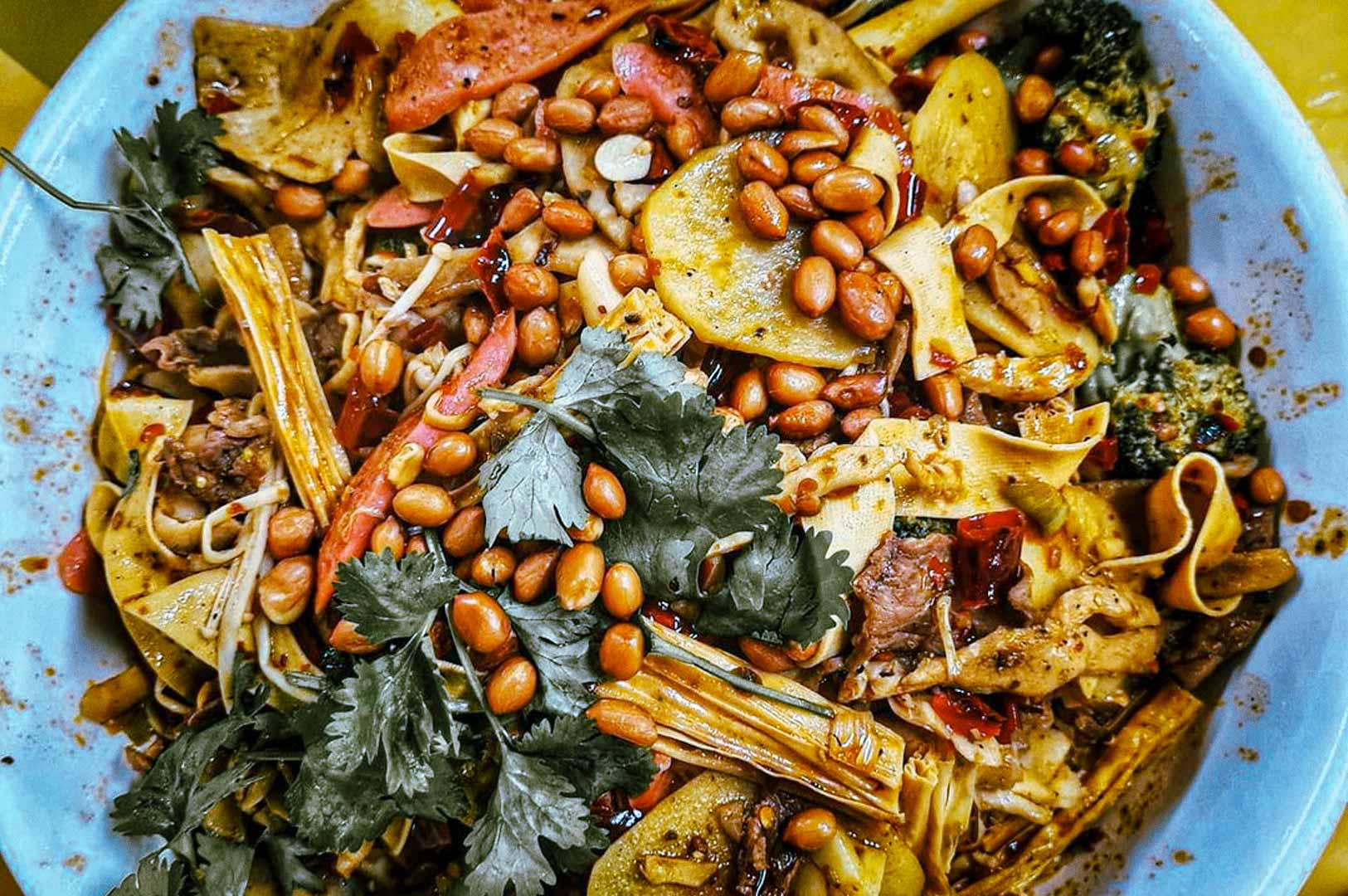
The recent explosion of Mala Xiang Guo (spicy numbing stir-fry) in Singapore’s air-conditioned malls and food courts can be viewed as the logical evolution of the Yong Tau Foo model, supercharged by the personalization of spice.
Mala stalls have codified heat into a rigid, recognizable system: Xiao La (small spicy), Zhong La (medium spicy), and Da La (big spicy). This creates a standardized language of heat that facilitates decision-making. It removes the ambiguity of "make it spicy" and replaces it with a measurable tier.
This system works because it treats spice as an adjustable dial rather than a fixed attribute. It acknowledges that "spiciness" is subjective and contextual. A diner might choose Xiao La for a working lunch to avoid sweating in a meeting, but upgrade to Zhong La for a weekend dinner. The food adapts to the diner’s schedule and physiology. Establishments that fail to offer this granularity often struggle to compete in the casual dining sector because they deny the customer this essential ability to control heat.
Operational Consistency and Functional Design at Yong Xiang Xing Dou Fu
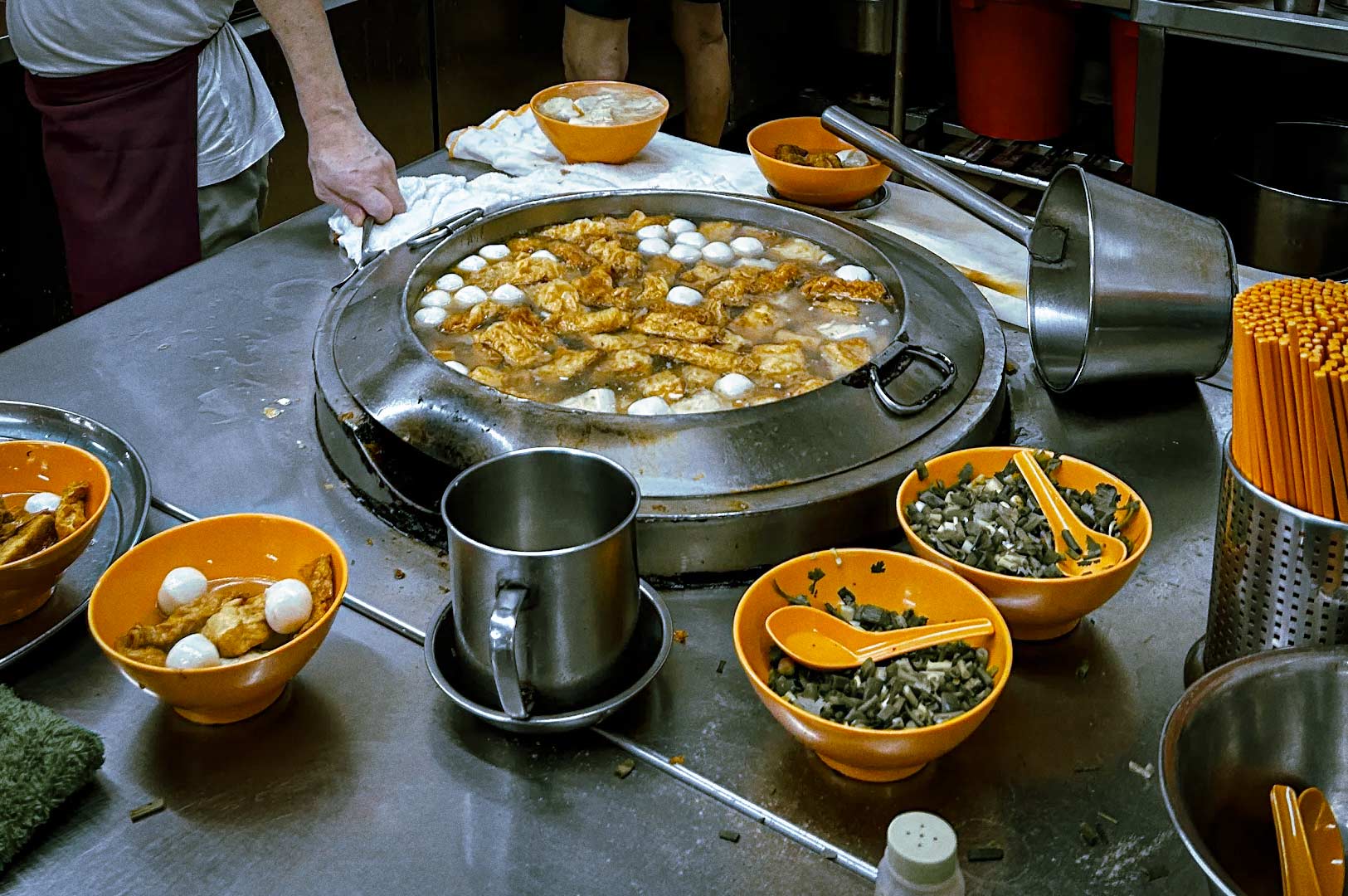
The challenge for any high-volume food business is balancing this demand for personalization with the need for operational speed. Yong Xiang Xing Dou Fu demonstrates how this balance is achieved through rigorous system design.
The genius of the operation lies in standardizing the hard variables (ingredients, cooking time, soup base) while isolating the soft variables (condiments). By keeping the core product consistent, the kitchen can operate at maximum velocity. The personalization happens at the very end of the assembly line—often at the point of service or via a self-serve condiment station.
This separation of production and customization is crucial. If the kitchen had to cook the tofu differently for every customer, the system would tear apart. Instead, the bowl is a standardized vessel for individualized content. This operational logic allows stalls to serve hundreds of customers per hour while maintaining the illusion of personalized service. It is a triumph of logistics as much as culinary craft.
The Sauce as the Interface: The Bold Statement of Flavor and Style
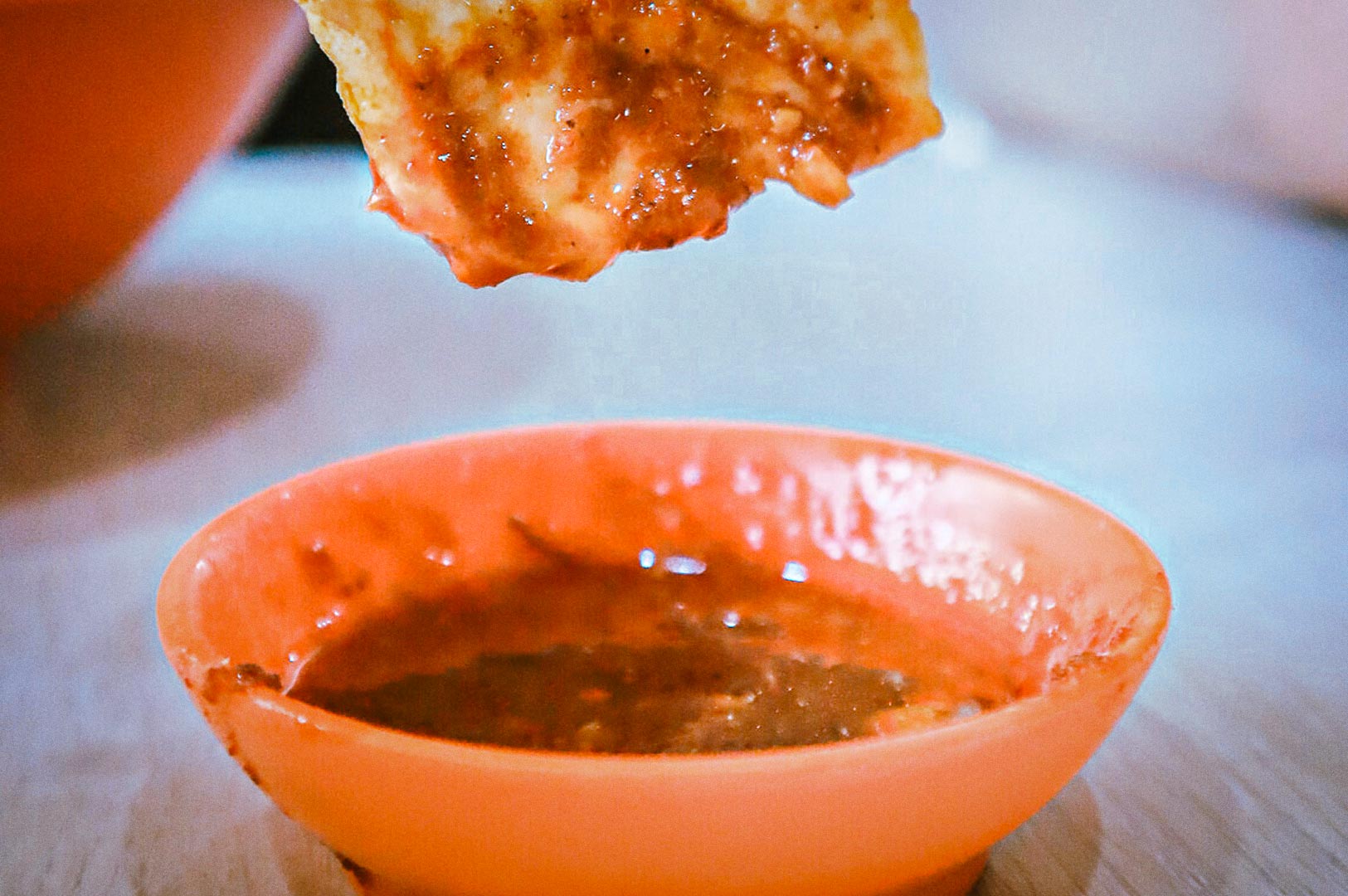
In this model, the sauce bowl or the chili dip becomes the primary interface between the diner and the chef. It is the control panel.
At Yong Xiang Xing Dou Fu, the consistency of the chili sauce—its viscosity, punch, and balance of acidity and heat—is arguably more important than the tofu itself. If the tofu varies slightly, it is forgivable; if the chili changes, the compact with the customer is broken. This is because regular customers have calibrated their eating habits around that specific flavor profile. They know exactly how much sauce to apply to achieve their desired outcome.
This reliance on the sauce also explains why takeaway packaging is designed the way it is. The separation of sauce packets is not just for hygiene; it preserves the diner's ability to dose the meal at the point of consumption. The personalization extends beyond the stall and into the office pantry or dining room table.
Creating a Stylish and Functional Dining Room Experience with Solid Wood Dining Table and Customized Dining Set
Just as Yong Xiang Xing Dou Fu crafts a personalized dining experience through its food and sauces, the dining room or kitchen where one enjoys such meals benefits from furniture that complements this lifestyle. A solid wood dining table and dining set, crafted with attention to texture and finish that is resistant to daily wear, stains, and scratches, can create a warm and inviting dining area that suits families and guests alike.
Choosing a dining table with a round or rectangular shape, finished to resist daily wear, stains, and scratches, is an excellent addition to any home. The ability to customize the size, color, and style of the dining set ensures it fits perfectly within the available space, matching the unique characteristics of the home and lifestyle of its users.
Additionally, benches and chairs with sturdy legs and stylish design complement the table, creating a functional and inviting space for meals and socializing. This blend of traditional craftsmanship and modern customization mirrors the balance of consistency and personalization found in the culinary world of Yong Xiang Xing Dou Fu.
Consumer Expectations and the Future of Customizable Dining in Singapore’s Market Road Food Scene
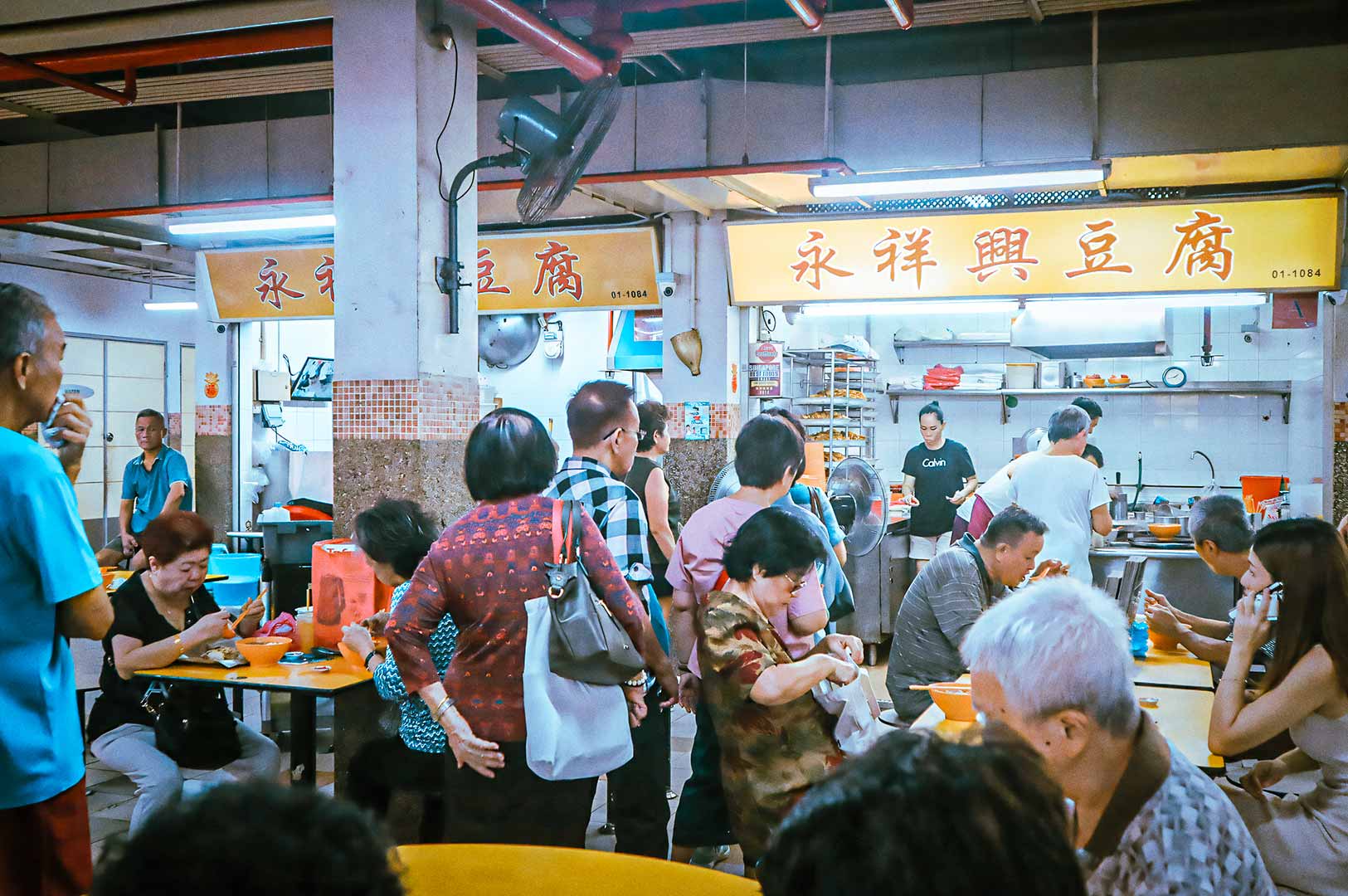
The success of Yong Xiang Xing Dou Fu and the wider customizable food trend reveals a shift in modern consumer expectations. The "chef knows best" mentality is receding in casual dining. Today’s diner expects a dialogue.
This expectation is reshaping customizable dining in Singapore. Malls are seeing a decline in rigid, set-menu concepts and a rise in modular dining formats—salad bars, poke bowls, and mix-and-match noodle stations. These concepts borrow heavily from the hawker logic of Yong Tau Foo. They understand that value is no longer just about portion size; it is about the precision of the fit.
However, choice creates friction. The "paradox of choice" suggests that too many options can lead to anxiety. The most successful operators, like Yong Xiang Xing Dou Fu, limit the scope of the choice. You control the spice and the sauce, but you trust them with the ingredients. This "curated customization" strikes the ideal balance for a busy lunch crowd—enough agency to feel satisfied, but enough structure to be quick.
The Perfect Fit of Tradition, Customization, and Lifestyle: Why You Should Visit Yong Xiang Xing Dou Fu
The enduring queues at Yong Xiang Xing Dou Fu are not just for the freshness of the bean curd and the delicious yong tau foo. They are for the reliability of a system that allows every bowl to be exactly what the diner needs it to be. In a chaotic world, the ability to calibrate the heat of one’s lunch is a small but significant anchor.
This model proves that personalization does not require luxury. It requires a smart operational design that treats spice not as an afterthought, but as a primary tool of engagement. For the modern diner, the perfect meal is no longer one that is universally acclaimed, but one that is personally tuned.
As we navigate the endless options of Singapore’s food courts and dining spaces, it is worth noticing where the lines form. They rarely form for the most complex menu. They form where the system is clear, the ingredients are honest, and the ladle of chili sauce is ready to be poured exactly—and only—to your liking. When you visit, don’t forget to opt for the house-made fish paste and the unique fish paste wrapped in beancurd skin, which is a kind of delicacy sold only at select stalls.
Finally, whether you eat your meal at a solid wood dining table or a modern bench, the experience is elevated by the furniture that suits your lifestyle and taste, combining the advantages of traditional craftsmanship with the ability to customize your dining space to suit your preferences and specific needs. And if you’re seeking a perfect snack alongside your meal, don’t overlook the simple pleasure of crispy chips, which can be a delightful complement to the savory flavors.
Maintaining a clean dining area, whether at home or in a food court, enhances the overall enjoyment of the meal, ensuring that the focus remains on the delicious food and the shared experience.