

Walking through the brightly lit corridors of a familiar mall, we often rely on the comfort of routine. We know exactly which café serves our preferred dark roast, and which bakery window displays the exact buttery pastry we want. Yet, this comforting predictability is routinely broken by a small, colorful placard placed quietly on a host stand: the limited-time menu.
Almost instantly, our usual order is forgotten. The sudden arrival of a seasonal dish or an exclusive flavor creates a quiet shift in our dining habits, pulling us out of our culinary autopilot.
The appeal of the limited-time offer is deeply rooted in human nature. When an eatery announces a dish will only be available for a few short weeks, it introduces a gentle, manufactured urgency.
In an environment where we can usually get whatever we want, whenever we want it, scarcity becomes a powerful draw. We are suddenly presented with an expiring opportunity. It is not just about satisfying hunger; it is about the quiet thrill of catching a fleeting experience.
This temporary menu acts as an invitation to break away from the mundane and participate in something exclusive.
For the chefs and restaurateurs behind the counters, the temporary menu serves as a creative playground. It allows them to step away from the rigidity of their standard offerings and experiment with bold, unexpected flavor pairings. For us as diners, it offers a low-risk opportunity to step outside our own comfort zones.
We might never commit to a full-sized, unfamiliar fusion dish on a regular afternoon. However, frame that same dish as a two-week-only special, and our hesitation easily melts into curiosity. The limited timeframe gives us the permission to be adventurous, knowing that our reliable favorites will still be waiting for us tomorrow.
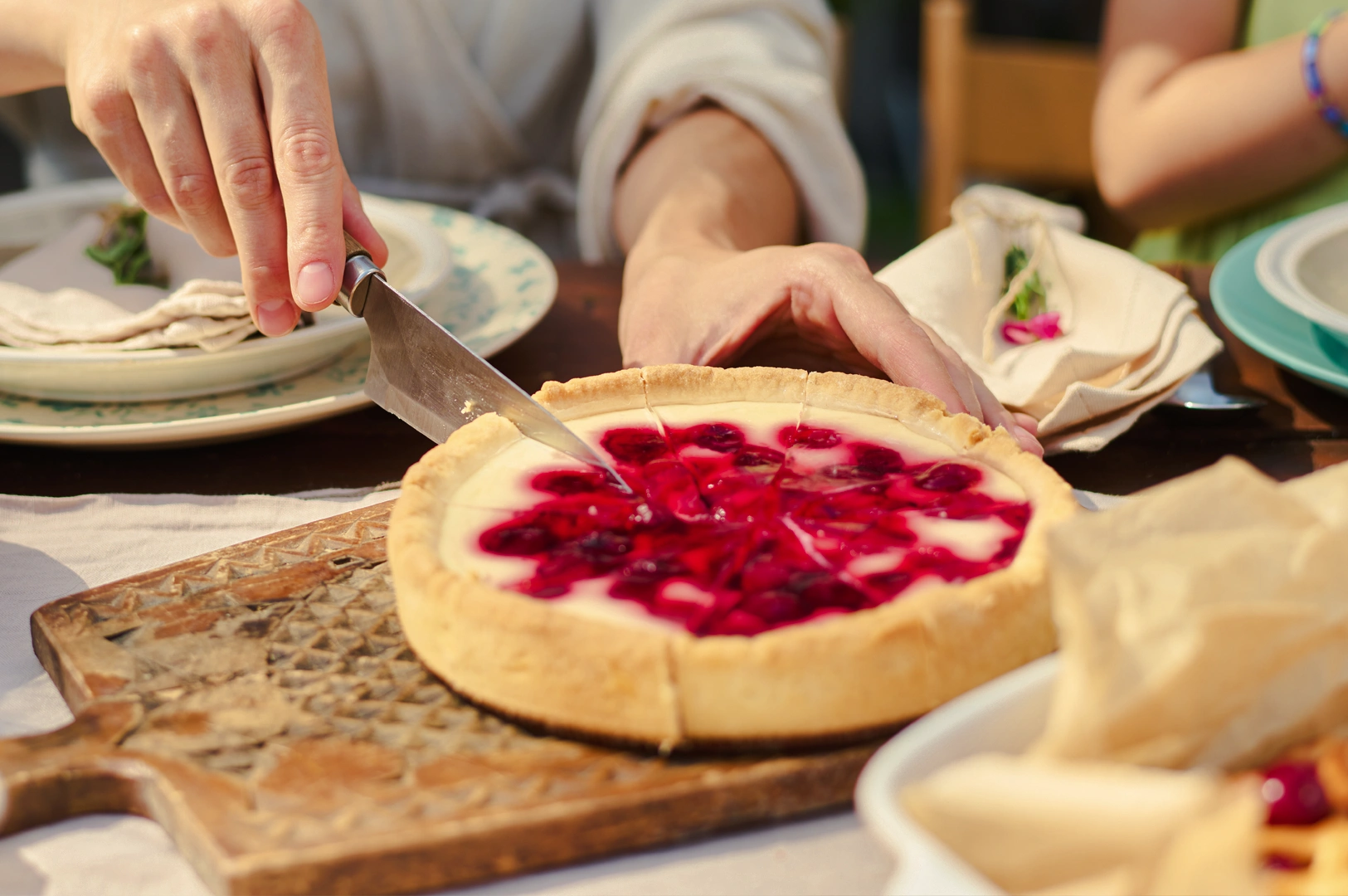
Inside the perpetually cool, climate-controlled walls of a shopping center, the outside weather rarely matters. Instead, we mark the passage of time through these seasonal menus. We welcome the arrival of the monsoon season with a sudden influx of rich, bubbling claypot dishes or truffle-infused broths designed to warm the spirit. When spring approaches, the menus bloom with delicate cherry blossom teas and bright, citrus-laced desserts.
These temporary offerings act as culinary calendars. The sharp, sweet scent of a yuzu tart or the deep, earthy aroma of a seasonal mushroom risotto grounds us in the present moment, reminding us of the shifting seasons beyond the glass doors.
Beyond the sensory experience, the limited-time menu fosters a unique sense of community. A new, exclusive dish gives us a perfect reason to reach out to a friend. We send quick messages, suggesting a meetup to try a highly anticipated matcha crepe or a festive roast before it vanishes entirely from the menu. The shared act of tasting something temporary becomes a small, collective event.
We gather around small café tables, dissecting the flavor profile, comparing it to last year's variation, and deciding if it lives up to the quiet anticipation. It turns an ordinary lunch break into a memorable occasion.
Eventually, the colorful placards are taken down. The seasonal ingredients run out, and the eateries quietly return to their standard offerings. There is always a slight pang of disappointment when a beloved temporary dish disappears, but that very brevity is exactly what makes it special. The limited-time menu asks us to pay attention, to savor the immediate present, and to find joy in the ephemeral.
And as we settle back into our familiar routines, we secretly look forward to the next small placard, waiting to surprise us once again.