
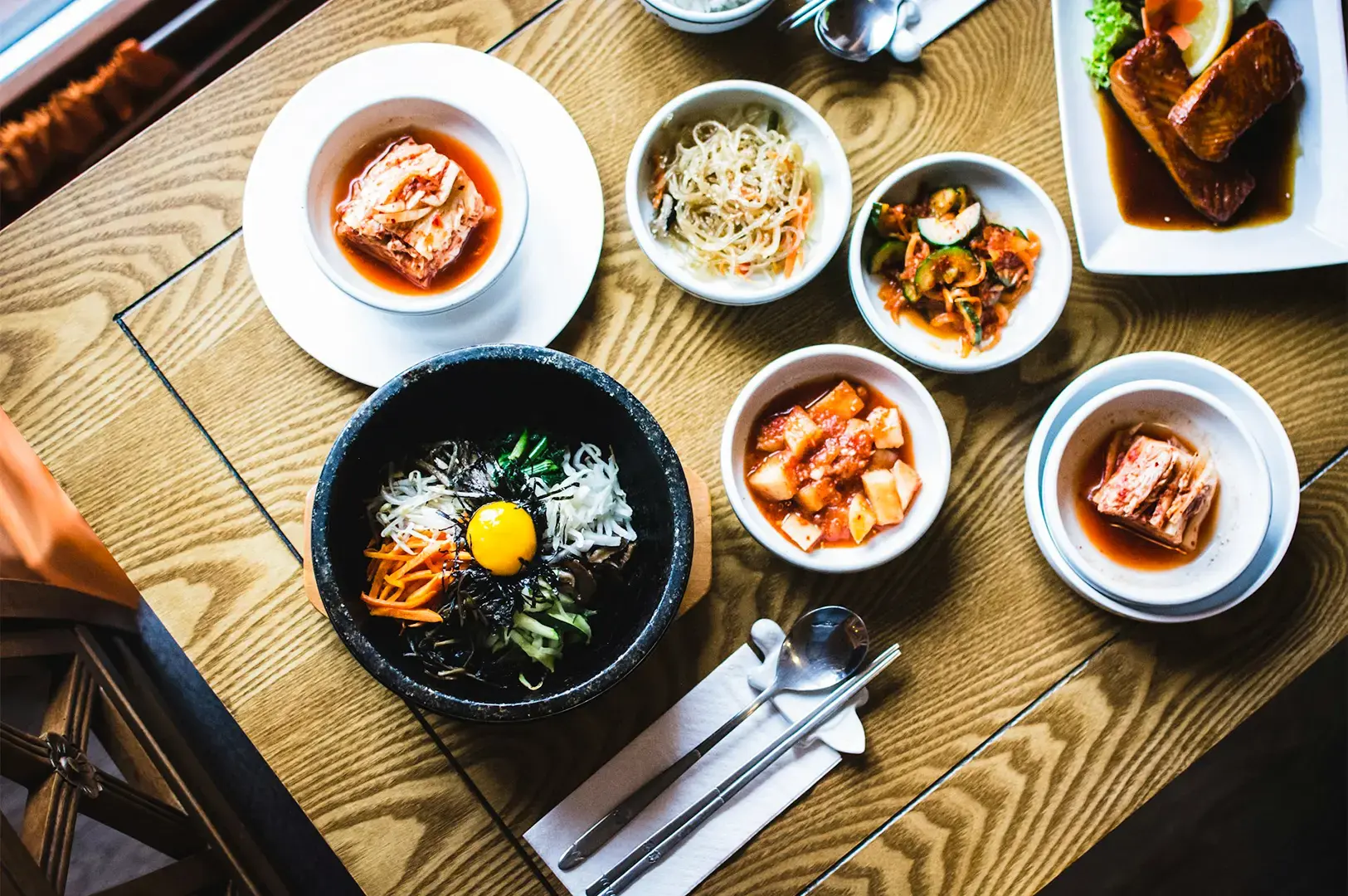
My first Korean meal was a mess. Not the food me.
I was twenty, out with friends, and I let them order everything. We ended up with four rice dishes, a stew nobody touched, and a mountain of side dishes I assumed we had to pay extra for. I spent the whole meal quietly panicking about the bill and eating way too much rice.
Years later, I know better. And if you’re standing in front of a Korean menu right now feeling that same low hum of confusion, this one’s for you. I’m not here to hype anything. I’m here to help you order without the second-guessing, so your first Korean meal in Singapore feels like a good decision instead of a gamble.
The First Question Everyone Asks About Korean Food: Is It All Spicy?
No. And this is the myth I’d most like to clear up.
Because tteokbokki and fiery instant noodles fill everyone’s feeds, people assume authentic Korean food comes with a warning label. It doesn’t. Korean cuisine runs sweet, savoury, smoky, fermented, and comforting spice is just one note, not the whole song.
If you’re spice-averse, start with bulgogi (sweet marinated beef), japchae (glass noodles with a chewy texture), or Korean fried chicken in soy garlic. All gentle. All satisfying. The spicy yangnyeom chicken and yangnyeom sauce dishes are worth trying eventually, but ease into them.
Save tteokbokki and the hotter stews for later, once you know your tolerance.
Pro tip: Just ask the staff. “Is this spicy?” is a completely normal question, and most places in Singapore will answer honestly. I still ask, even now.
Wait, Why Are There So Many Side Dishes at Korean Restaurants?
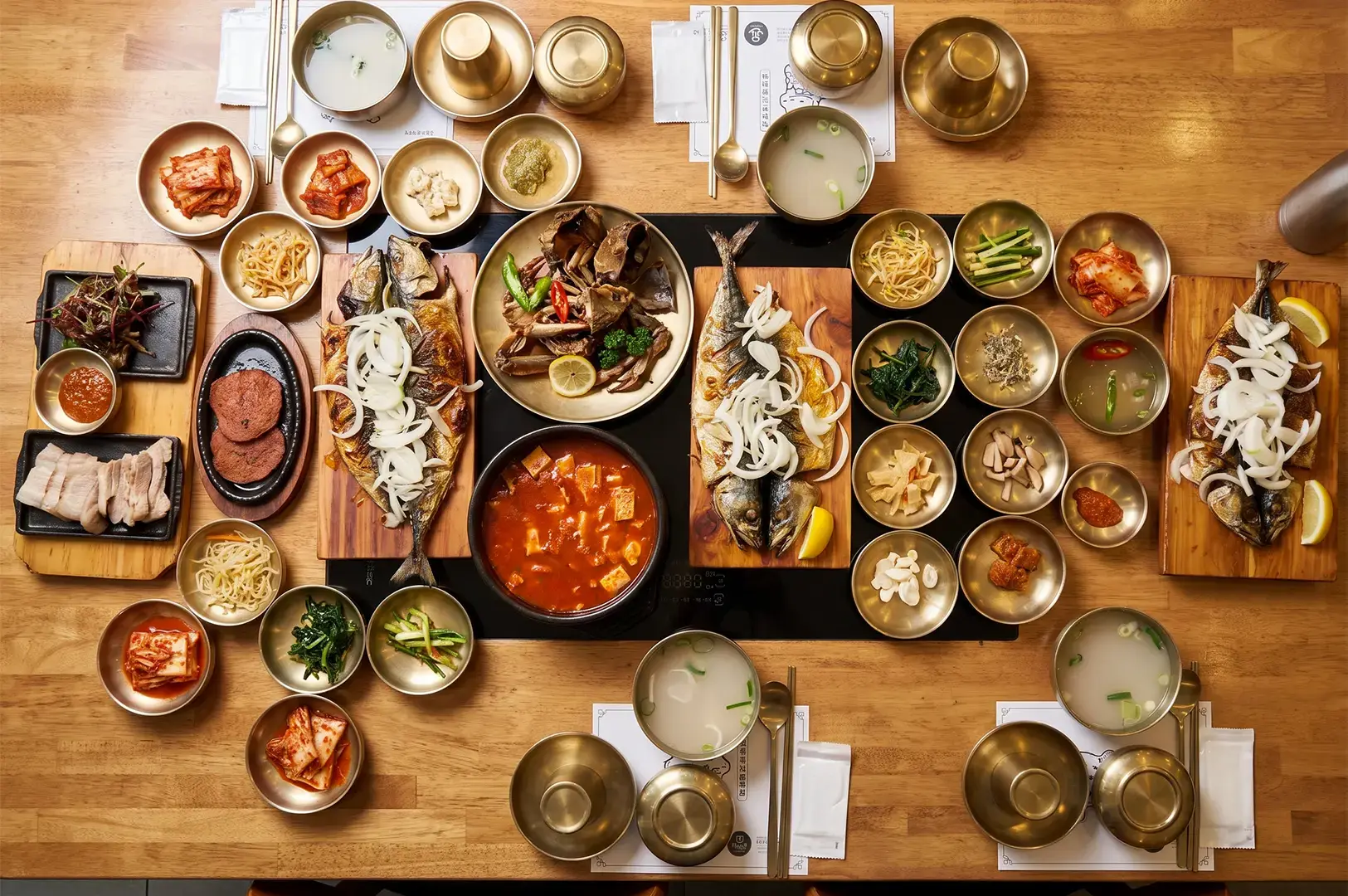
This one caught me off guard the first time too.
Those little plates kimchi, pickled radish, seasoned bean sprouts, sometimes potato salad are called banchan. Generous banchan is actually one of the things that sets authentic Korean restaurants in Singapore apart from more casual spots. You don’t order them separately, and in most places, you don’t pay extra for them.
They’re meant to be shared, and they balance the meal. A bite of rich grilled meat, then something cool and sour to reset. That’s the rhythm.
Different restaurants serve different banchan. I’ve walked out of places remembering the side dishes more than the main.
Korean BBQ or a Regular Meal? Here’s How to Decide
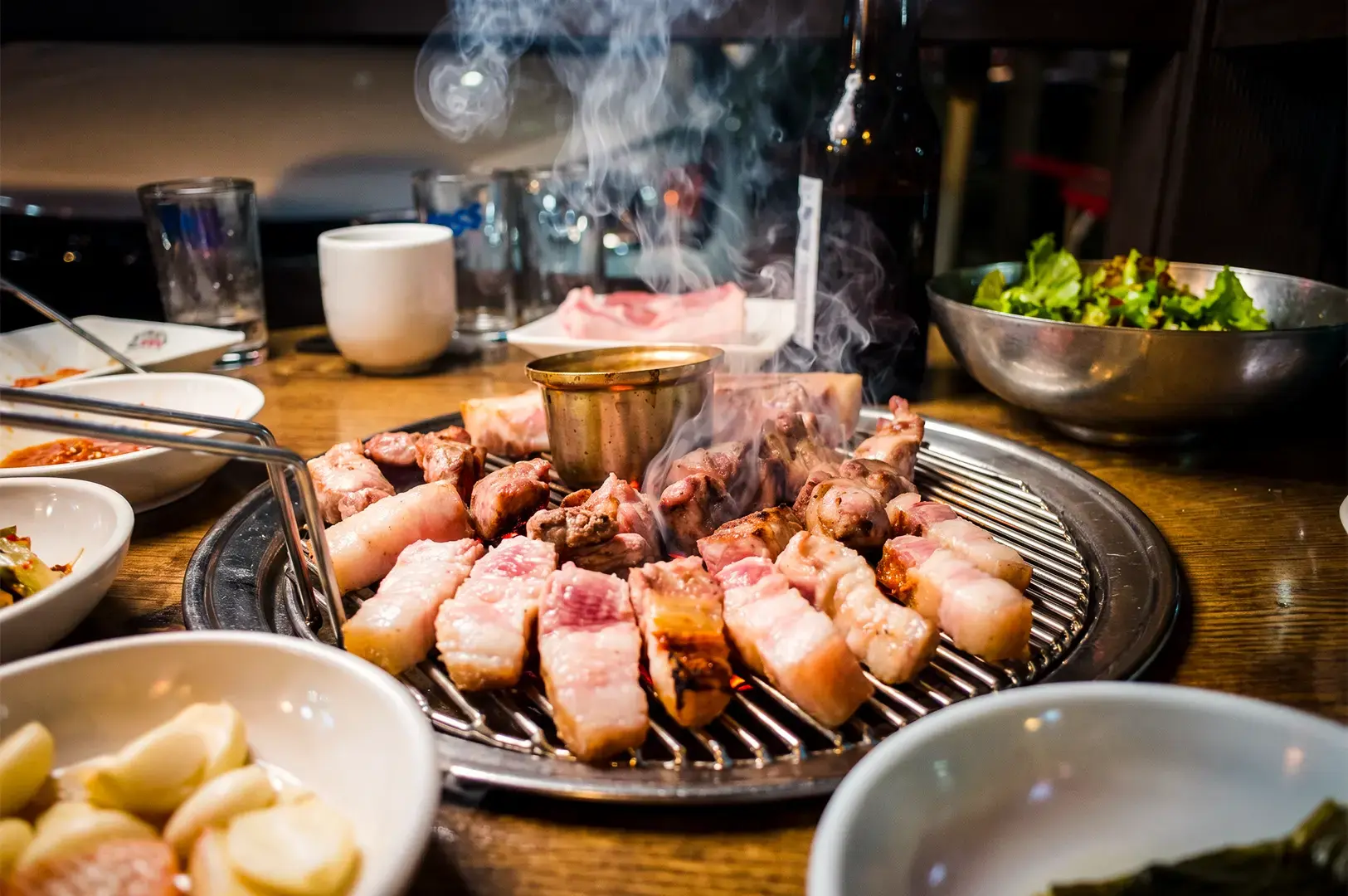
This is the fork in the road for most beginners.
Korean BBQ is a group activity. You cook meat at the table, order round after round, and settle in for a long, social meal. It’s great with friends, especially for a special occasion. It’s also the most expensive and the most decision-heavy way to start. Expect to spend around $40 to $80+ per person once you add drinks and premium cuts like iberico pluma or jeju black pork.
An individual meal a rice bowl, a stew, noodles is faster, cheaper, and honestly a better introduction to Korean flavours. Nothing between you and the food.
My suggestion: if it’s your first time or you’re eating alone, skip BBQ for now. Order a bibimbap or a kimchi jjigae and actually taste authentic Korean comfort food before committing to a two-hour grill session.
How to Order at Korean Restaurants in Singapore
Here’s the process I run through, stripped down.
Step 1: Decide who you’re with. Alone or in a hurry? Go individual – bibimbap, noodles, a stew. With a group and time to spare? Korean BBQ or fried chicken to share.
Step 2: Learn the four menu buckets. Most Korean menus fall into these categories:
- Rice dishes – bibimbap, bulgogi rice. Easy, affordable, beginner-friendly.
- Soups and stews – kimchi jjigae, sundubu jjigae, beef soup. Korean comfort food at its most honest.
- Grilled dishes – samgyeopsal, galbi, bulgogi. Built for sharing.
- Noodles – japchae, cold noodles, paik’s noodle-style bowls. Lighter meals.
Step 3: Start with one thing you know you’ll enjoy. Don’t try to sample the whole diverse menu on day one. Pick a familiar flavour, eat it properly, and go from there.
Pro tip: If you genuinely can’t decide, order a bibimbap. Rice, vegetables, a bit of meat, egg, and sauce in one bowl. A small tour of Korean flavours with no risk.
Authentic Korean Food Worth Knowing About in Singapore
Once you’ve found your footing, here are some names worth seeking out.
- Um Yong Baek / Yong Baek – known for their beef soup and clear broth dishes done in a way that actual Koreans from Seoul would recognise. No frills. Just the real thing.
- Pohang Seafood is worth visiting if you want to understand how Korean cooking handles the sea – simple preparation, fresh ingredients, and a respect for flavour that doesn’t rely on heavy sauces.
- Mandarin Gallery has a few Korean restaurants worth exploring if you’re in the Orchard belt. It’s a stone’s throw from Somerset MRT, and the dining options there range from ala carte to set menus.
For ginseng chicken soup specifically – korean ginseng chicken soup or samgyetang – look for spots offering song gye variants, black chicken samgyetang, black sesame samgyetang, or perilla seed samgyetang. Each has a different depth, and it’s worth comparing them if you’re a first-time visitor.
Other areas with strong Korean restaurant clusters in Singapore include Tanjong Pagar, Amoy Street, Suntec City, Resorts World Sentosa, Aperia Mall, and the Arts House neighbourhood. Opening hours vary, so check before you go – especially on weekday lunches, when some smaller spots close mid-afternoon.
Authentic Korean Dining: Mistakes I Made So You Don’t Have To
- Over-ordering. This is the classic. Banchan, rice, and soup often come alongside your main. Order less than you think you need. You can always add more. You can’t un-order.
- Assuming BBQ is the best first experience. It’s popular, so people default to it. But it’s pricey, slow, and full of small decisions. A simple stew or rice bowl teaches you more about authentic Korean flavours with less pressure.
- Skipping kimchi entirely. I’ve watched friends push it aside, convinced it’ll be overwhelming. But kimchi varies – some sour, some mild, some almost sweet. Try a small piece first. You might be surprised.
- Not checking opening hours. Long queues form at the better spots, especially at dinner on weekends. Some places don’t take walk-ins. Check before you head out.
Fried Chicken, Street Food, and Korean Snacks: The Casual Side
Not every Korean meal needs to be a sit-down restaurant visit.
Korean fried chicken – light, crispy, and usually served with pickled radish – is one of the easiest entry points into Korean food. Spicy yangnyeom chicken is the version with the sticky red spicy sauce; soy garlic is the milder, sweeter option. Both are worth trying.
Korean street food concepts like drim gold-inspired snacks and casual bites are increasingly available in Singapore malls, making it easy to dip into Korean flavours without committing to a full meal.
What Authentic Korean Food Costs in Singapore
- Budget – around $10 to $20 per person. Food court stalls, casual rice bowls, a dosirak set. Good for a solo lunch.
- Casual dining – around $20 to $40 per person. A proper sit-down spot with Korean fried chicken, stews, or a few sharing dishes.
- Korean BBQ – around $40 to $80+ per person. Goes up quickly with premium cuts, drinks, and extra orders. Worth it for groups and celebrations, not ideal for a quick weekday meal.
- Lunch is almost always the wallet-friendly option. Dinner means longer waits, especially at BBQ spots. If you’re going as a group on a weekend, book ahead.
Quick FAQ
- What should I order if I’ve never had Korean food? Bulgogi or bibimbap. Both are gentle, representative, and easy to enjoy. Korean fried chicken is a solid third choice.
- Do I pay for banchan? Usually not. It comes free with your meal and is often refilled on request
- Is Korean BBQ worth it for two people? It can feel like a lot – the cost, the time, the decisions. I’d save it for a bigger group and go casual when it’s just the two of you.
- How long does Korean BBQ take? Set aside around two hours. It’s not meant to be rushed.
- What’s the one dish to try first? Bibimbap. The whole cuisine in a bowl. Almost impossible to get wrong.
Before You Go
You don’t need to order everything to understand Korean food. You just need to order the right thing for the day you’re having.
Quick lunch alone? A warm bowl of beef soup or a stew. Night out with friends? Korean BBQ or a spread of fried chicken. Nervous about spice? Bulgogi has your back.
Start small. Ask questions. Try the kimchi.
The best Korean meal isn’t the most talked-about one. It’s the one that fits your table, your budget, and your appetite – and leaves you wanting to come back. If you’re ready to explore further, here’s a guide to the best Korean food Singapore has to offer across its top dining spots.
Go when you’re hungry. The rest sorts itself out.