
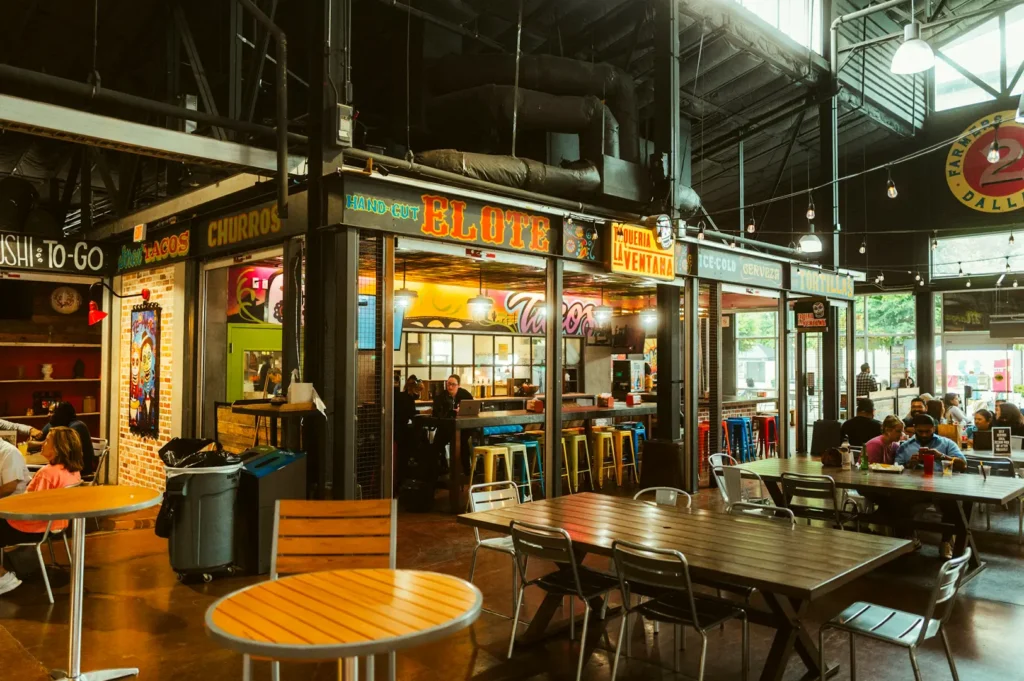
There is something comforting about walking into a familiar food court.
You already know where the stalls are, and you do not need to think too much about where to go. You recognize the dishes you usually order, almost without looking at the menu. Sometimes, you may even notice the same faces behind the counters, serving the same meals in the same steady rhythm.
It is not the excitement of discovering somewhere new. It is the comfort of knowing what is waiting for you.
In a dining culture where new restaurants and concepts appear regularly, food courts continue to hold a quiet but steady place because they offer something simple: familiarity.
More Than Just an Affordable Meal
Food courts are often associated with convenience and value. They bring many different stalls together in one space, making them practical for families, office workers, and anyone looking for a straightforward meal without much planning.
But their role goes beyond price and convenience.
For many people, food courts are tied to everyday routines. A regular lunch after work, a quick stop during a shopping trip, or a weekend meal with family. These moments may seem ordinary on their own, but over time, they form patterns that feel familiar and grounding.
It is often in these repeated visits that a sense of belonging quietly develops, even if it is never spoken about.
The Comfort of Knowing What to Expect
One of the main reasons people return to the same food courts is because they remove uncertainty.
You already know which stall serves your usual dish. You have a rough idea of how long the queue will take. You also know the meal will likely fall within a comfortable budget.
That kind of predictability matters more than it seems.
Not every meal needs to be a new experience. After a long or busy day, many people are not looking to decide again. They are simply looking for something that works, something that feels reliable without requiring extra thought.
In that sense, a familiar food court becomes less about choice and more about ease.
The People Behind the Stalls
Food courts are not only defined by the food they serve, but also by the people who run them.
Behind every counter are stall owners and workers who repeat the same routines day after day, serving meals to a steady flow of customers. Over time, regular diners begin to recognize familiar faces, and in some cases, stall owners may even remember usual orders without being asked.
These interactions are small and often brief, but they add a human layer to the experience. A nod of recognition, a short exchange, or a remembered preference can make a place feel less transactional and more familiar.
It is not always noticeable in the moment, but it builds quietly over time.
Why Food Courts Continue to Matter
As dining habits evolve and new food concepts continue to appear, food courts remain relevant because they serve a different kind of need.
They are spaces where people can eat at their own pace, without pressure. A group can split up and choose different meals while still sharing the same table. A solo diner can sit down for a quick meal without needing a reason or occasion.
They fit into daily life in a way that is flexible and unassuming.
The next time you find yourself in a familiar food court, it may be worth noticing what draws you back.
It is not always just the food.
Sometimes, it is the quiet comfort of a place that already feels known.
Explore more dining stories and perspectives on our homepage.