
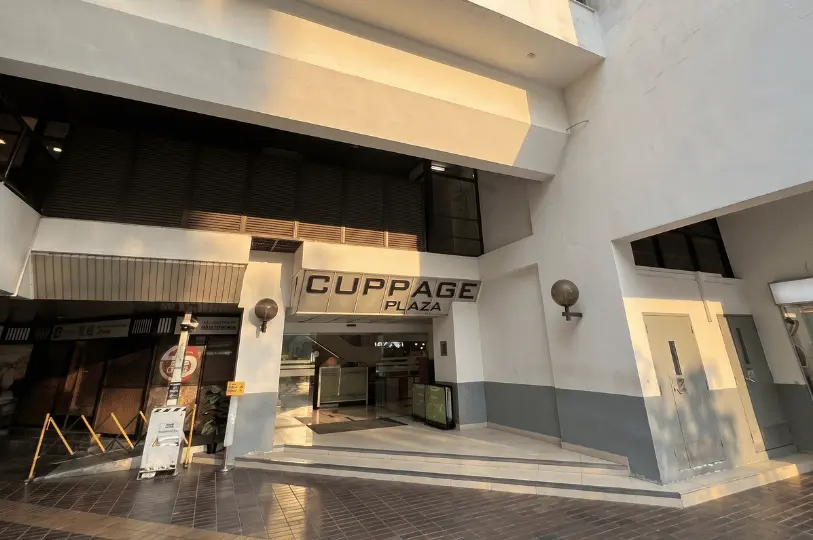
The first time I went to Cuppage Plaza, I got lost.
Not physically. The building is small, tucked just behind Orchard Road near Somerset MRT Station, worn at the edges in a way that most malls have long since scrubbed away. I wandered up and down its floors expecting one grand restaurant, one clear reason people kept telling me to go. I never found it.
What I found instead was a stairwell that smelled faintly of grilled skin and soy. A sliding door with handwritten specials taped beside it. A chef behind the counter, quietly slicing sashimi, not looking up.
That was the lesson. This unassuming building was never about one place. It became what it is slowly, restaurant by restaurant, diner by diner, until Cuppage Plaza Singapore started to feel unmistakably Japanese.
Cuppage Plaza: A Japanese Food Destination Nobody Planned
Cuppage Plaza was not designed as a Japanese food destination. No developer sketched it that way. It simply happened.
Over time, Japanese restaurants, izakayas, and drinking spots gathered here. Japanese expats came for a taste of home. Singaporeans followed, curious, and stayed. The building filled up not with a plan, but with people who cared about the same thing. Some call it Singapore’s Little Tokyo. The name fits.
That’s why it feels different from the polished malls up Orchard Road. You’re not choosing a restaurant while shopping. You’re visiting a place a community shaped over three decades of quiet, careful attention.
Insider knowledge: The magic of Cuppage Plaza is density, not fame. Step inside and dozens of Japanese kitchens sit side by side. The choice itself becomes part of the evening.
Your Cuppage Plaza Food Guide: What Kind of Night Do You Want?
When friends ask me about Cuppage Plaza food, I don’t hand them a list. I ask one question first: What are you here for?
- A quick, honest meal. Ramen, donburi, katsu curry rice, well-executed noodle dishes. These casual spots run around $15 to $35 per person. Weekday lunch service is ideal, with sets that won’t sting and a calmer pace.
- An after-work izakaya evening. Grilled items, izakaya classics, small shared plates, sake at a snug table. Budget $40 to $80 per person. Come after 6pm and settle in. These meals are built around conversation, not efficiency.
- A special occasion. Sushi, sashimi moriawase, seasonal omakase with impeccable service. Expect $100 or more per person, and reserve well ahead.
This is where Sushi Masa lives, on the sixth floor. An eight-seat counter, dinner only, where the head chef sources only the freshest ingredients directly from Tokyo’s Toyosu Market and the menu shifts with the season. I sat there once, watching wasabi grated from the root. Nobody spoke much. The food said what needed saying.
Pro tip: Decide your purpose before you leave home. Most disappointments here come from arriving without a clear idea of what kind of meal you actually want.
Japanese Dining Options Inside Cuppage Plaza
Part of what makes this building worth the repeat visits is the range. Here is a practical look at what you will find when you step inside.
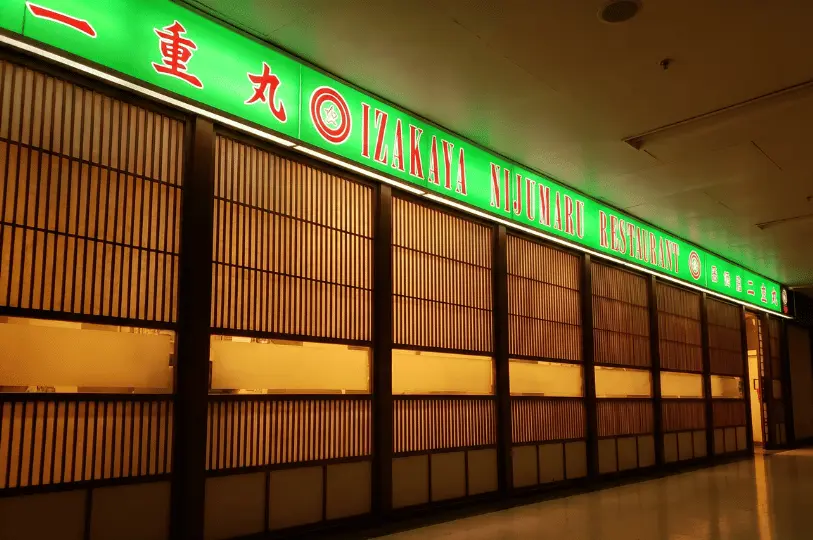
- Izakaya Nijumaru is one of the first names that comes up. Lively, honest, the kind of izakaya where yakitori arrives warm and the table fills with small dishes you didn’t plan to order. Walk-ins are possible on weekdays; don’t count on it Friday nights.
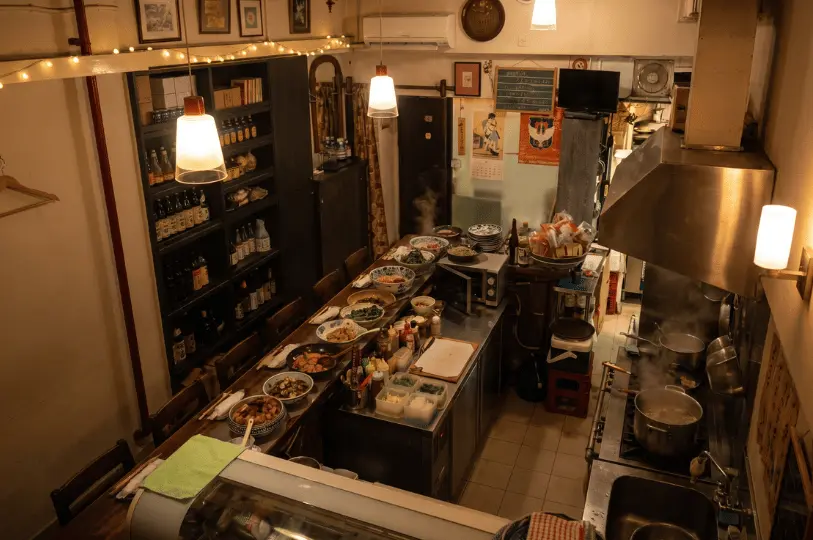
- Izakaya Naniwa sits a little quieter. Smaller tables, more focus on the bowl in front of you. I’ve had some of my better evenings there, the kind where the meal doesn’t need to be remarkable to feel right.
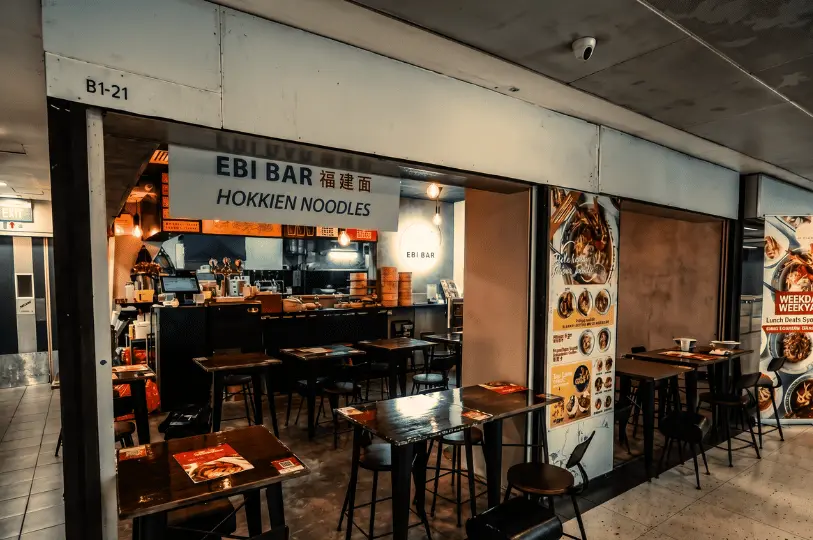
- Ebi Bar earns its name. Prawn-forward, focused, a menu built around one clear specialty. Worth sitting down at if you know what you want.
- Hanashizuku Japanese Cuisine is a name regulars say quietly, like it belongs to them. Refined Japanese cuisine without the full ceremony of omakase. Well-executed dishes, careful attention to presentation, a menu that trusts you to order well.
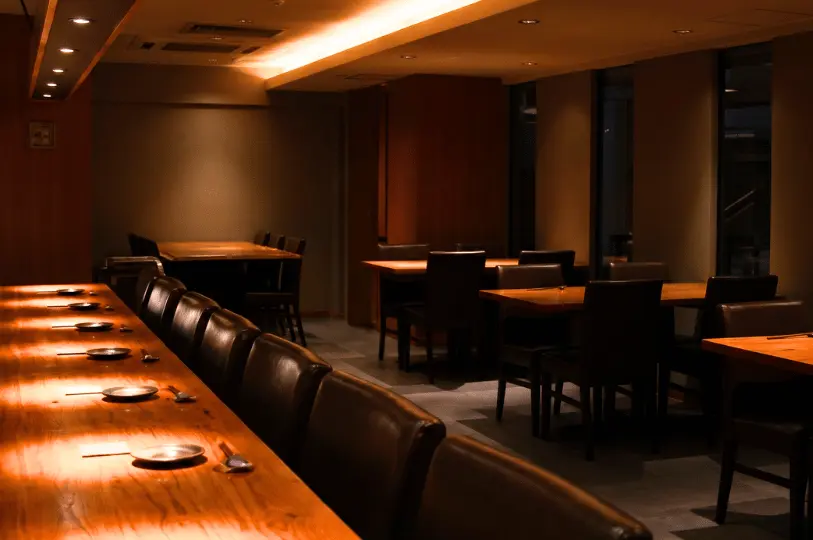
- Keria Japanese Restaurant keeps a loyal following. Consistent cooking, familiar Japanese dishes done with a light hand. Not a headline spot, but one you’ll find yourself returning to.
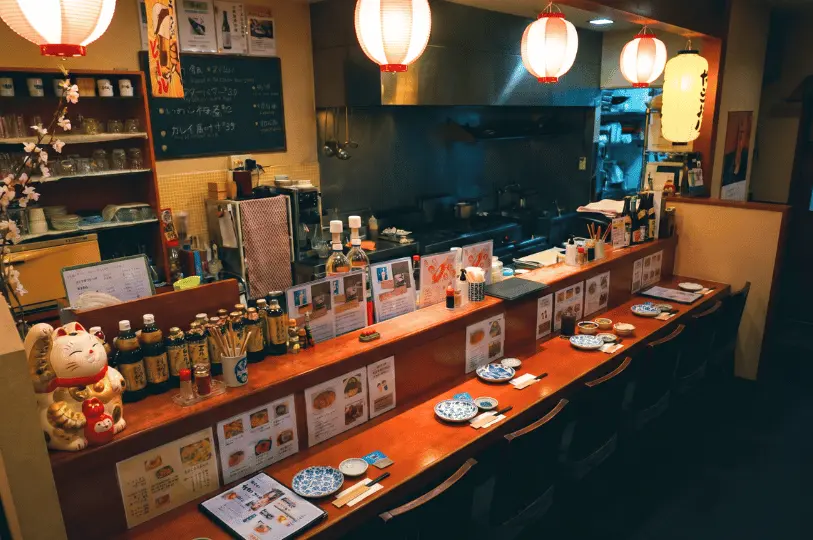
- Kazu Sumiyaki Restaurant is where the subtle smokiness lives. Charcoal-grilled skewers in a slightly smoky space that smells exactly as it should. The beef teriyaki is worth ordering, as are the chef’s recommended grilled items glazed in teriyaki sauce. If you want foie gras done Japanese-style, this is a strong candidate.
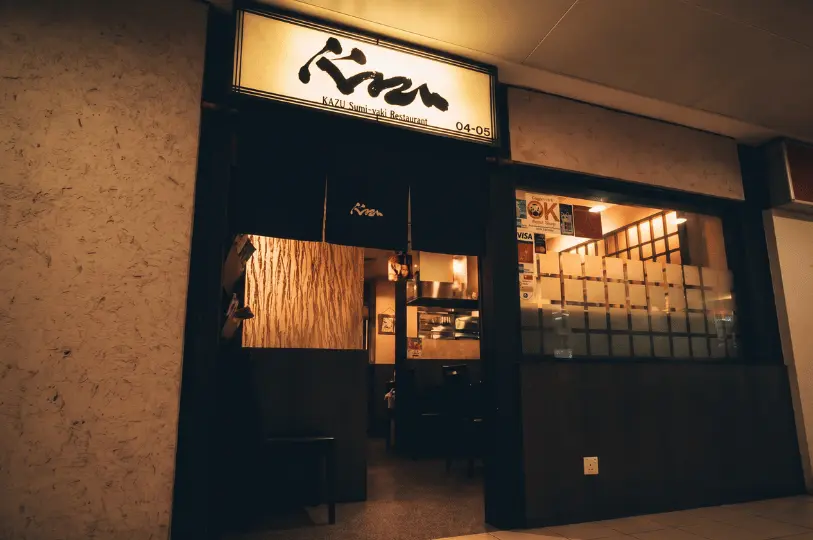
Chef Steven Lee is one name serious diners mention in the same breath as counter seating and private dining rooms. A chef who handles all the food with the same careful attention, whether it’s a bowl of ramen or a plated piece of sashimi.
Beyond these, scattered across the floors, you’ll find spots doing curry rice, tempura soba, salted duck eggs, stuffed lady’s fingers, and other dishes that reflect how wide the Japanese cuisine range actually runs inside this one building.
Cuppage Plaza Food: The Japanese Restaurants Worth Knowing
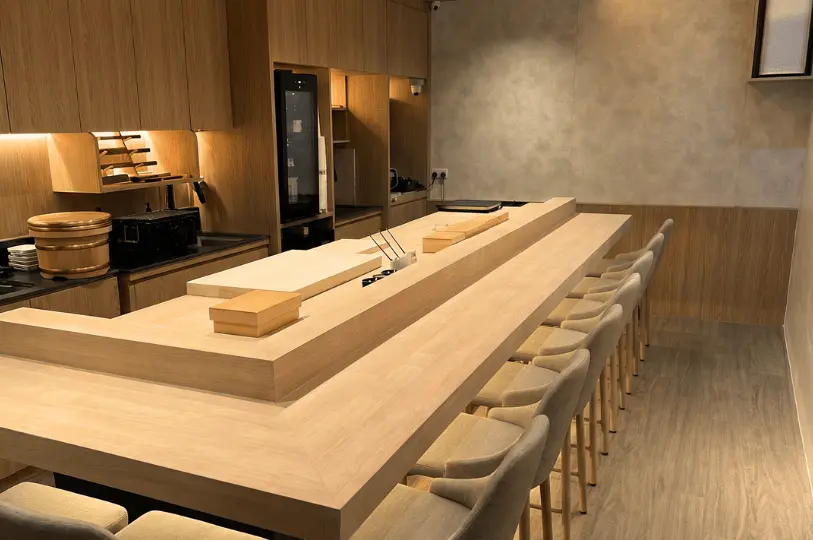
Hanashizuku Japanese Cuisine is among the best kept secrets in the building. The eatery offers a menu that runs from sashimi to tempura soba to other dishes rooted in real Japanese cooking, without dressing things up for show. Go early to secure a table.
Sushi Masa remains the premium anchor. The private dining room experience here suits private gatherings and special occasions. Ingredients flown in from Toyosu Market, the same head chef at the counter each night, and the kind of impeccable service that explains why the table never stays empty long.
For something more casual, the katsu curry rice and donburi sets during lunch service are well priced and filling. If you have been to Orchard Yong Tau Fu nearby and want to sit down properly, the building has options at every level.
Insider knowledge: Watch for the quiet signals of a good kitchen. A focused menu. Seasonal specials on a board. A chef at a counter, close enough to nod at. These say more than any ranking.
Hidden Gem Status: Why Cuppage Plaza Japanese Food Still Surprises
Cuppage Plaza is often called a hidden gem, and I understand why, even if the phrase has been used too many times. It’s not hidden. Anyone who has spent time on Orchard Road knows this building exists. What it offers, though, doesn’t announce itself.
No long queues snaking out the door. No bright signage competing for attention. What you’ll find is a concentration of authentic Japanese restaurants that have stayed because they’re good, not because they’re fashionable.
That staying power matters. Some of these kitchens have been here for over three decades, through trends and closures and the churn of the Orchard dining scene. The same head chef. The same regulars. The same table in the corner someone has been booking every Friday for years. That kind of continuity is rare, and it’s the best reason to visit.
Ebi Bar and the Specialists Worth Seeking Out
One thing I’ve noticed about the best spots in this building: they commit to something specific and do it well.
Ebi Bar commits to prawns. The menu is tight, the execution is reliable, and for diners who want Japanese dining built around one specialty, it delivers. Come for dinner, stay for the sake pairing.
These specialist eateries, alongside the izakayas and the sushi counters, are why Cuppage Plaza Japanese food rewards those who explore rather than settle at the first open door.
Izakaya Nijumaru and Izakaya Naniwa: The Beating Heart of the Building
If you ask most regulars where they spend their evenings, the answer often comes back to the izakayas.
Izakaya Nijumaru draws the after-work crowd with its range of izakaya classics, reliable rice dishes, and cold drinks. The atmosphere is warm and slightly chaotic in the best way. Arrive early or book ahead.
Izakaya Naniwa offers a quieter version of the same appeal. Smaller, more focused, with dishes that feel rooted rather than assembled. Both are worth visiting on different nights, for different moods.
Authentic Japanese Food: How to Plan Your Visit
- Pick your timing. Weekday lunch for calm and casual. Weekday evenings to feel the building come alive. Friday and Saturday for the fullest atmosphere, with the understanding that you’ll need a plan.
- Check opening hours. Many Japanese restaurants here don’t keep standard mall hours. I turned up one Sunday to a row of shuttered doors and learned this the hard way.
- Reserve if it matters. Weekend dinners, popular izakayas, any premium counter. Walk-ins work for weekday lunch and early dinner. They rarely work at 7pm on a Friday.
- Give yourself time. Two hours at least. Wander. The best table might be one floor above the first door you tried.
FAQ’s
- Why is Cuppage Plaza known for Japanese food? Its reputation was built by its restaurants, not its retail. A community of Japanese diners, expats, and serious eaters shaped the building’s identity over time.
- Is Cuppage Plaza food expensive? Casual meals run $15 to $35. Izakaya evenings sit at $40 to $80. Premium sushi and omakase start at $100. Not every door leads to a splurge.
- Do I need a reservation? For weekday lunch or early dinner, usually not. For Friday and Saturday nights or any premium counter, yes. Booking saves you from a full room and a wasted trip.
- Is it good for families? Not always. Small tables, drinking culture, and a late evening atmosphere suit couples and small adult groups better.
- Where should a first-timer start? Come in the evening. Decide whether you want casual or a longer dinner. Book if the place is popular. Don’t stop at the first outlet you see.
For those wanting to know which restaurants shaped this reputation, our guide to the best Japanese dining in Cuppage Plaza covers where to start.
What Stays With You
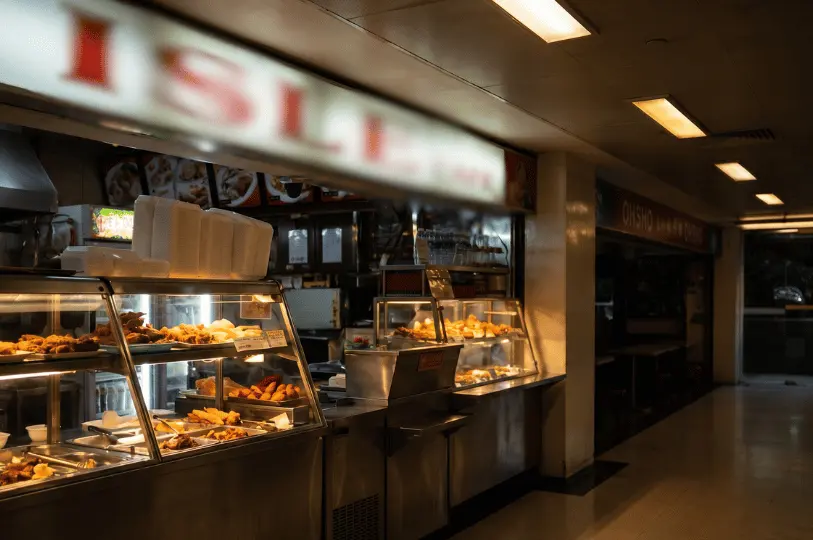
I’ve been back more times than I can count. I still don’t have a single favourite. That was never the point.
What I have is a feeling. A slightly tired stairwell leading into warm light and quiet chatter. A counter seat where the chef and I exchange maybe five words all night, and none of them are needed. A building nobody set out to make special, that became special anyway, because enough people cared about the food inside it.
Go slowly. Check the hours. Book if it matters. Pick the kind of night you want, then let the meal take its time.
Not for the fanfare. There isn’t any. Just for the food, and the feeling it leaves behind.