
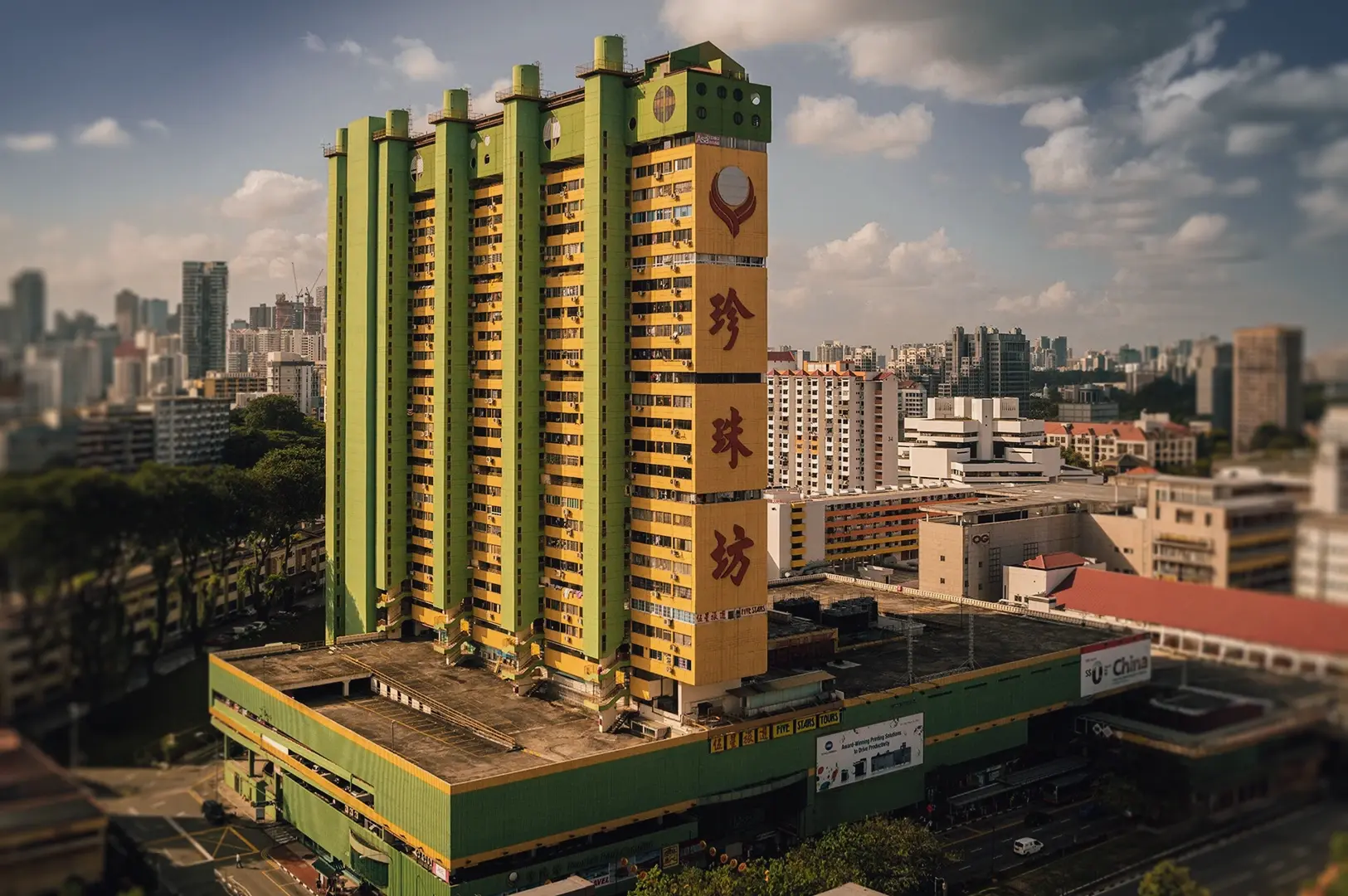
I arrived at People’s Park Complex on a humid Tuesday morning, ready to lose myself in the labyrinth of one of Singapore’s most iconic, gritty commercial buildings. Strategically located in the heart of Chinatown on Park Road, this 31-storey development was built in the early post-independence Singapore era and stands as a pioneering example of high-rise living combined with commercial space.
The construction process showcased innovative architectural design, structural development, and forward-thinking planning concepts, making the complex a landmark of its time.
If you are using SG Malls Dining Guide to look beyond polished mall restaurants and familiar chain names, People’s Park Complex is a reminder to leave room for places that feel less arranged and more alive. Come prepared for queues, heat, and shared tables, but also for food that carries the weight of memory without making a fuss about it.
A Tower That Changed the Shape of Chinatown
The tower, a prominent high-rise structure, remains a significant feature in Singapore’s cityscape. Originally designed by DP Architects under the name Design Partnership, the complex was completed in two phases: the commercial part in 1970 and the residential block in 1973.
In its first year, Design Partnership achieved notable success, with People’s Park Complex marking a milestone project for the firm. The site itself holds historical and architectural significance within the urban landscape, serving as a strategic location and notable part of the city.
Built as a People’s Shopping Centre
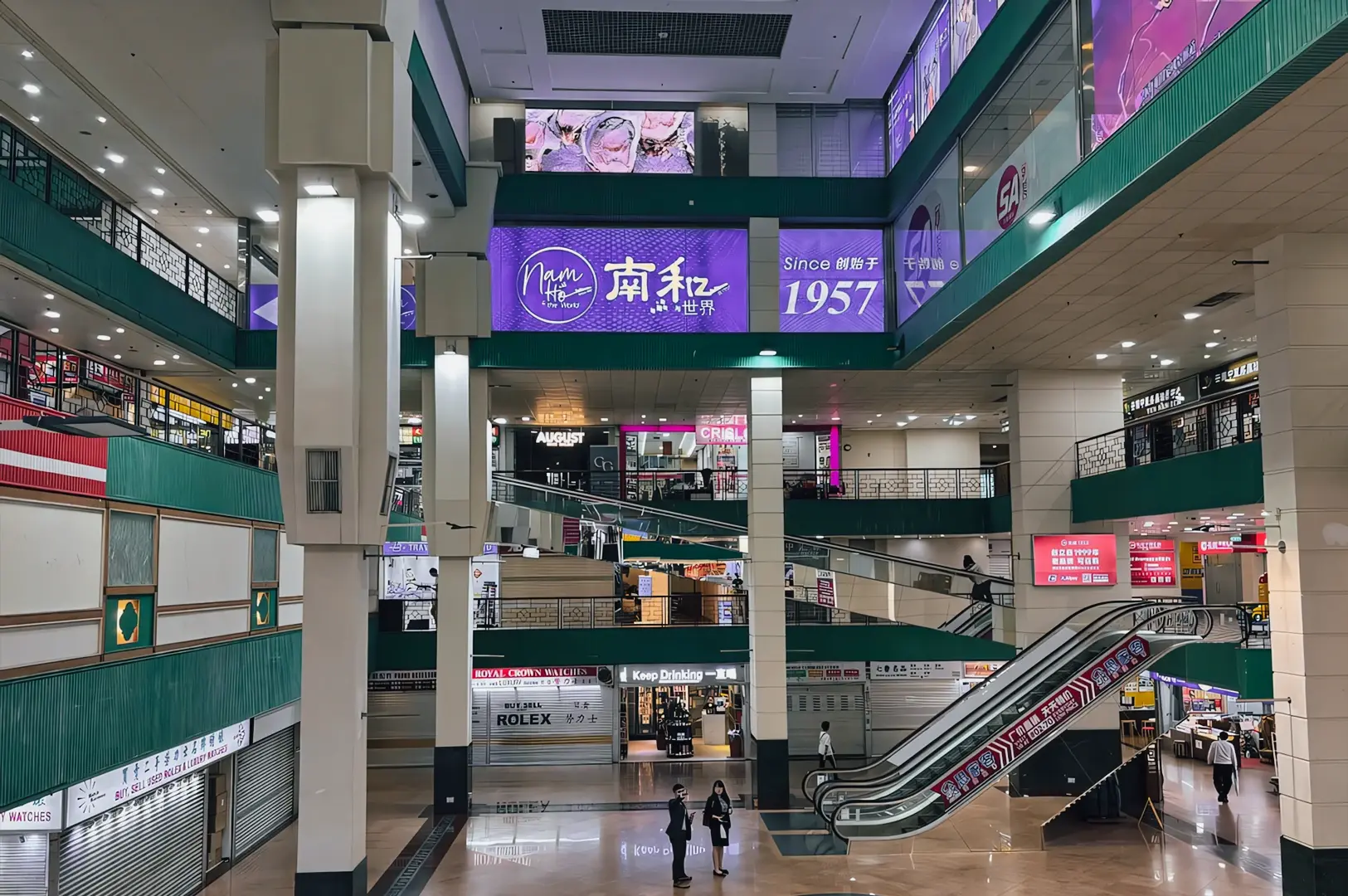
It was intended as a people’s shopping centre, featuring a six-storey podium of shopping space topped by residential apartments, making it one of the largest shopping complexes in Southeast Asia at the time.
This brutalist architecture marvel, once characterized by exposed raw concrete and circular portholes, now painted in green and maroon, is not your polished, air-conditioned lifestyle mall. Instead, it embraces a raw urban design with multi-storey interlocking atriums forming the famous “city room”—Singapore’s first ‘city room’ or atrium, inspired by the Metabolist Movement, and featuring two multi-storey interlocking atriums that enhance the bustling character of Chinatown.
Inside the Famous City Room
This city room serves as the bustling heart of the shopping mall, filled with turn over shops, outdoor stalls, and retail shops for sale and rental, contributing to the vibrant, communal use of the ground level. The complex is a mixed-use development with commercial spaces primarily used for office, food and beverage (F&B), and retail shops sale and rental.
Among the retail shops, there is a vibrant mix of money changers, electronic stores, and traditional Chinese medicine practitioners, and the complex is recognized as a hub for budget-friendly dining options. People’s Park Complex serves as a cherished community hub, providing services and traditional foods to both the local population and international visitors alike.
Its unique architectural features and community focus have also made it a popular destination for local street photographers and urban explorers. As a vital piece of post-independent urban history, the complex preserves a gritty, authentic atmosphere in contrast to modern malls.
Finding My Bearings in Chinatown’s Most Unpolished Dining Landmark
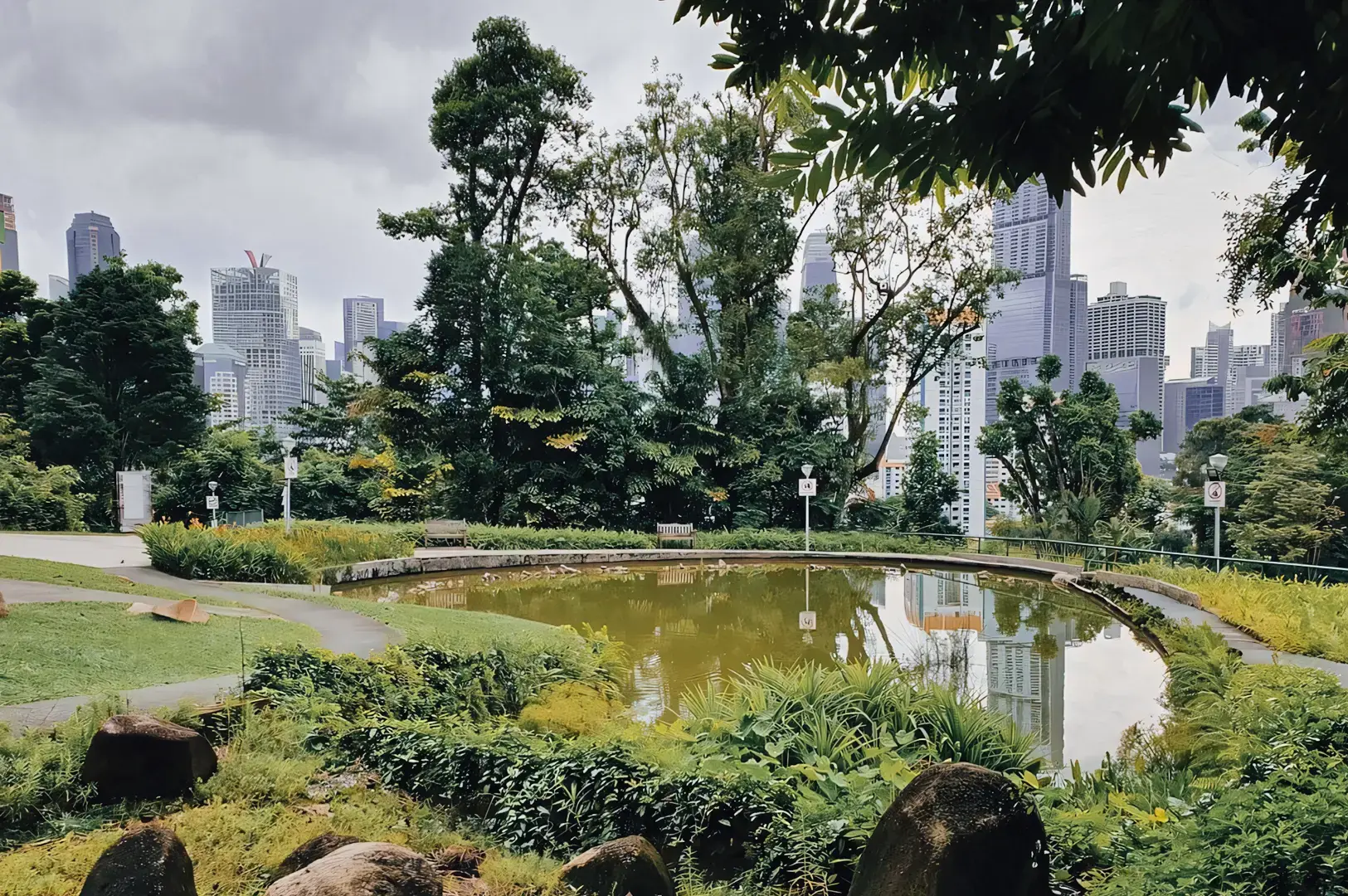
The commercial part of the park complex includes a diverse mix of commercial offices, F&B outlets, and traditional shops, all situated within the six storey podium. The shopping centre is strategically located near Pearl’s Hill and Pearl’s Market, with easy access from New Bridge Road and Bridge Road, making it a hub for both residents and visitors.
The shopping space is designed to encourage interaction, with shared amenities and an open air play space for residents on the upper levels, reflecting the architects’ innovative urban design concept for communal recreational use. The shopping centre also features a large internal atrium known as the ‘city room’, which houses numerous shops and kiosks and contributes to the vibrant atmosphere of Chinatown.
Stepping into the food centre, which reopened after renovations in 2023, you immediately feel the pulse of the city. The space houses about 80 food stalls, many of which are legacy vendors that have been part of the people’s market tradition for decades. On weekends, it gets incredibly crowded, especially in the food court area, so I recommend visiting early if you prefer a quieter experience. The dining area benefits from natural light filtering through the atriums, enhancing the open air atmosphere that contrasts with typical enclosed shopping malls.
A Morning of Clear Broth, Hot Dumplings, and Numbing Spice
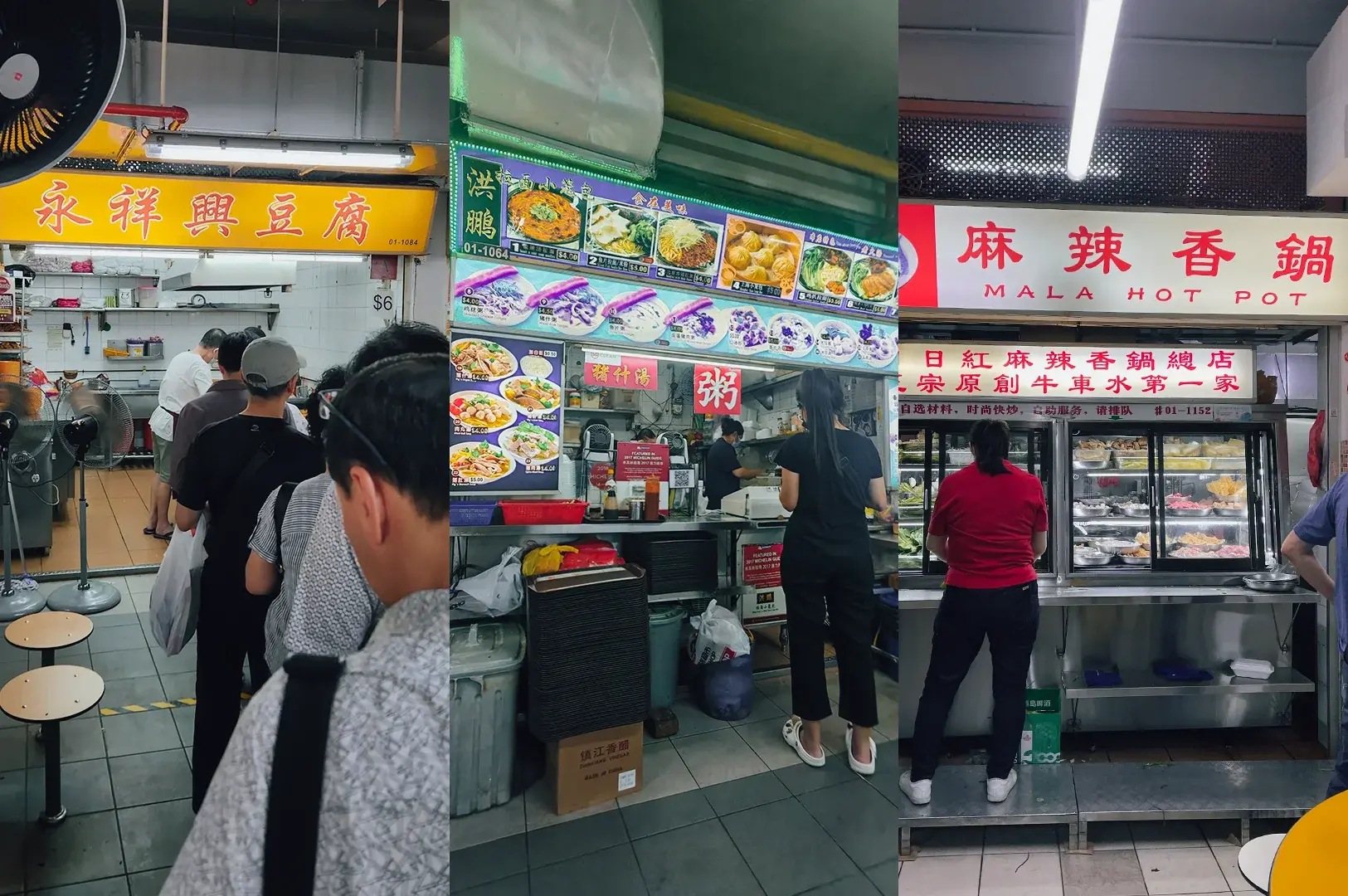
The food smelled heavenly as I walked past the stalls. A potent mix of roasted meats, simmering broths, and toasted chilies fills the air. I started my morning at Yong Xiang Xing Dou Fu, a stall that exemplifies the authentic hawker culture preserved within this commercial building. At $6 a bowl, their Yong Tau Foo is a masterclass in simplicity. The clear, lightly sweet soybean broth was deeply comforting, and the tofu pieces were incredibly fresh and tender.
Later, I tried the dumplings at Hong Peng La Mian Xiao Long Bao. For just $5, you get six plump, steaming soup dumplings. The pork filling was rich, and the delicate skin held the hot broth perfectly. I also noticed the massive crowds gathered around Ri Ri Hong Mala Xiang Guo, a spicy stir-fry stall that has become a favorite among locals. The Sichuan peppercorns delivered that signature numbing heat, making my lips tingle with every bite. The robust, fiery flavor was an absolute standout, with tender lotus roots and a perfect balance of spice.
Not everything was perfect, though. I ordered a plate of roast meat from a lesser-known stall tucked in a corner, and it was quite underwhelming. The pork belly was dry, and the rice lacked fragrance, a sharp contrast to the excellence found just a few steps away.
Where Heritage Shows Up in Everyday Bowls
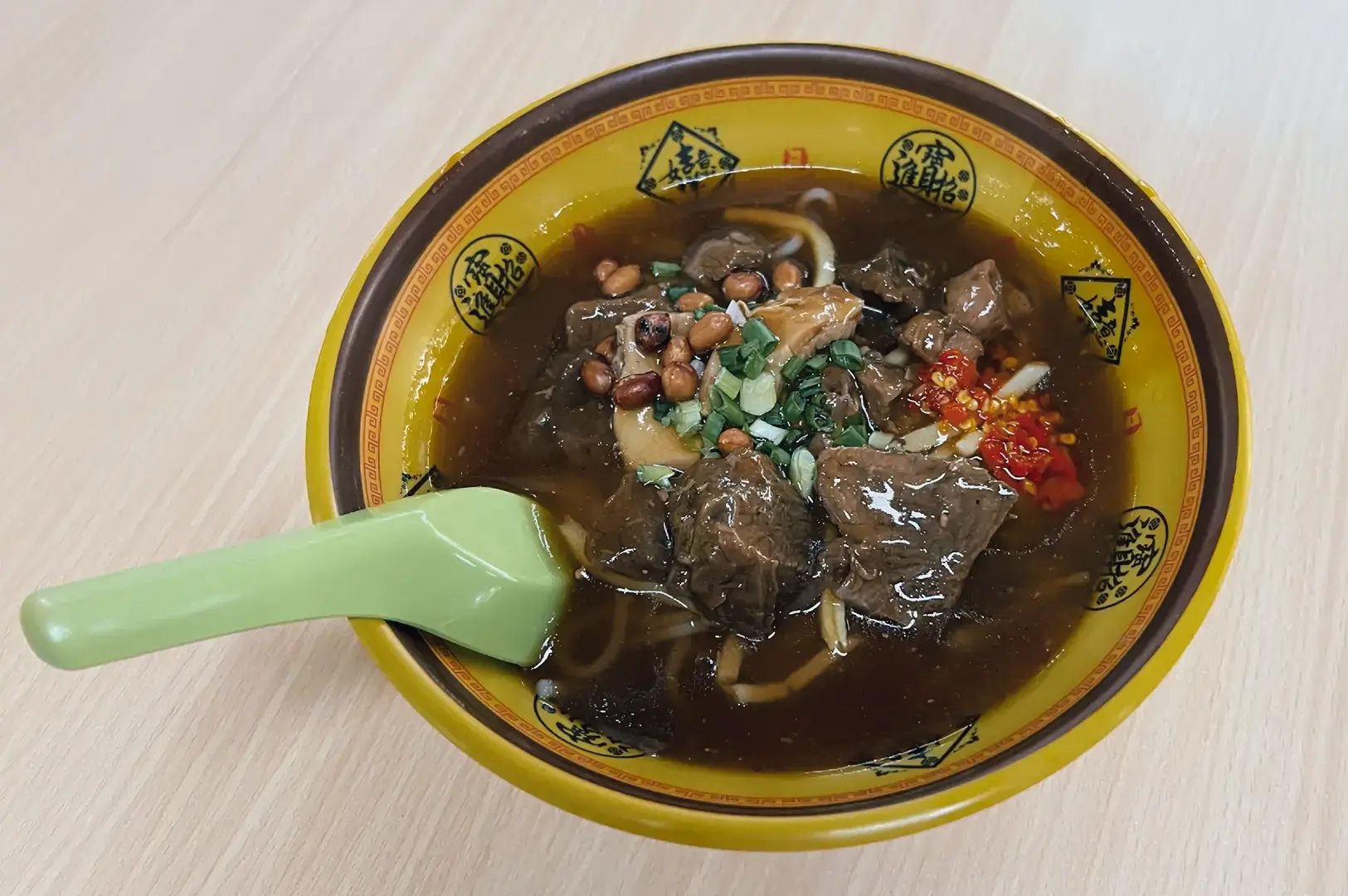
The variety here is staggering, entirely focused on Chinese and local hawker fare. You will not find Western cafes or sushi chains. Instead, the focus is on legacy dishes: Teochew snacks, Hainan noodles, braised duck, dim sum, and heavy Sichuan plates. This emphasis on traditional food reflects the original concept of the development as a people’s market and shopping mall that serves the local community.
Hometown Hainan Fen serves a remarkable bowl of thick bee hoon in dark gravy for $4.50. This represents the kind of generational cooking that feels increasingly rare in modern Singapore. Compared to nearby malls like Chinatown Point, which offers sanitized, air-conditioned restaurant dining, People’s Park Food Centre feels far more vibrant and historically grounded.
It is smaller and grittier than the massive Chinatown Complex across the street, but the concentration of high-quality heritage stalls here makes it special. For another older-mall dining experience with a very different personality, our guide to cuppage plaza food explores how a compact Orchard Road building became known for Japanese restaurants, izakaya-style meals, and dependable comfort food.
Service and Ambiance in the People’s Shopping Centre
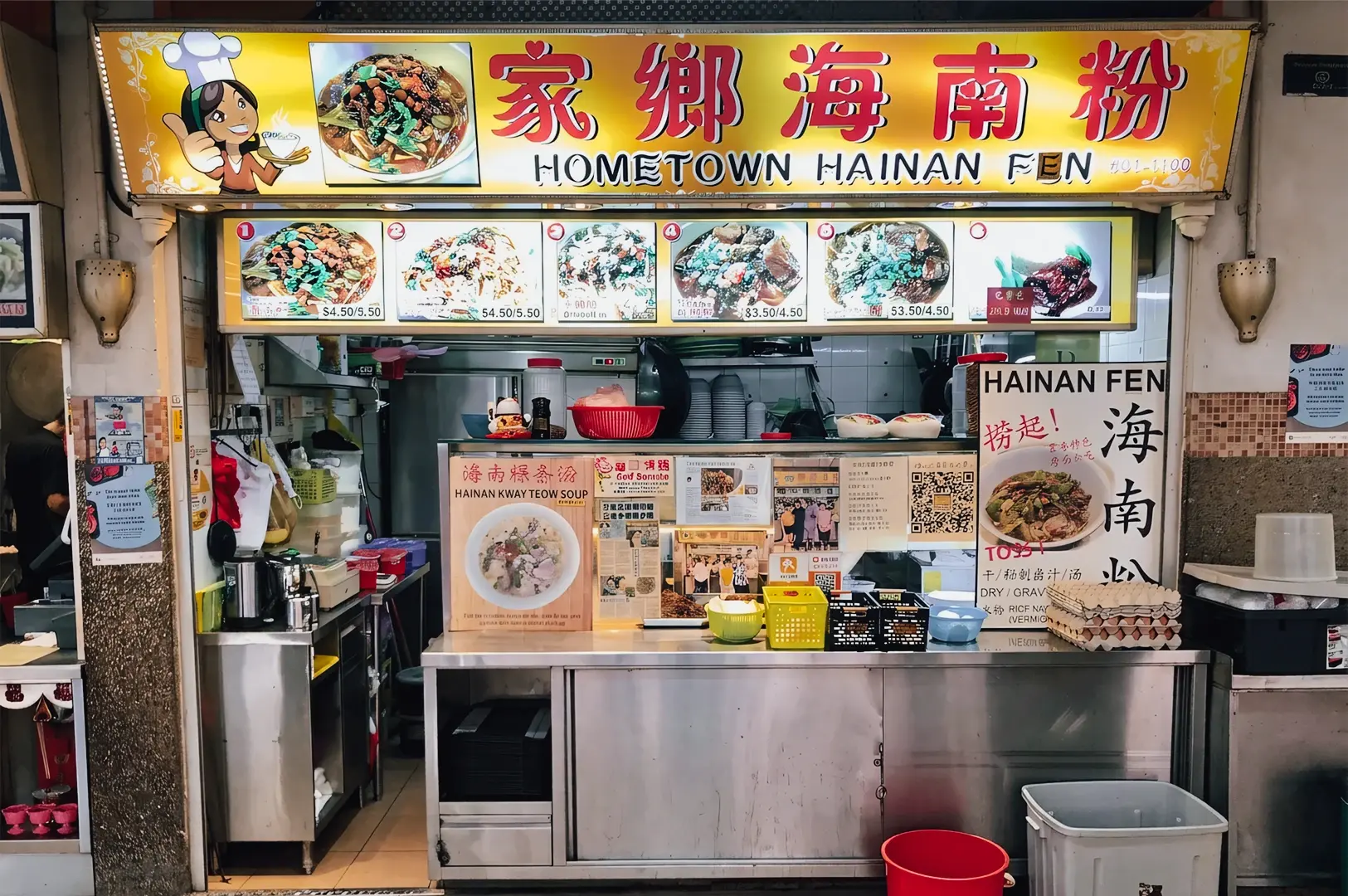
You have to adjust your expectations regarding service. This is a fast-paced hawker environment where efficiency trumps pleasantries. The service at Hometown Hainan Fen was prompt, and the staff were polite but quick. The food arrived in under 15 minutes, which was impressive considering the crowd.
However, at the food court, the selection was diverse, but the queues were long, and the seating could have been more comfortable. You will be sitting on hard stools, often sharing a table with strangers. During the peak lunch hour, finding a clean table requires patience and a sharp eye. The uncle clearing the tables worked tirelessly, but the sheer volume of diners meant some tables sat uncleared for several minutes.
Five Minutes From Chinatown MRT, But the Largest Shopping Complex Is Not Always Easy to Navigate
Located just a 5-minute walk from Chinatown MRT Station (Exit C), the park complex is easily accessible, though it gets a bit busy on weekends. You can also reach it easily from Outram Park or Clarke Quay. The surrounding neighborhood feels safe, steeped in history, with plenty of nearby dining options if you want to explore further toward Pearl’s Hill or the Buddha Tooth Relic Temple.
Parking is available at the complex, costing around $1.50 per 30 minutes before 5 pm, but taking the MRT saves you the stress of navigating the tight, older parking structure. Navigating the food centre itself can be tough if you rely on a wheelchair or a baby stroller, as the aisles between tables are narrow and often blocked by long queues.
Leaving With Chilli on My Shirt and Chinatown on My Mind
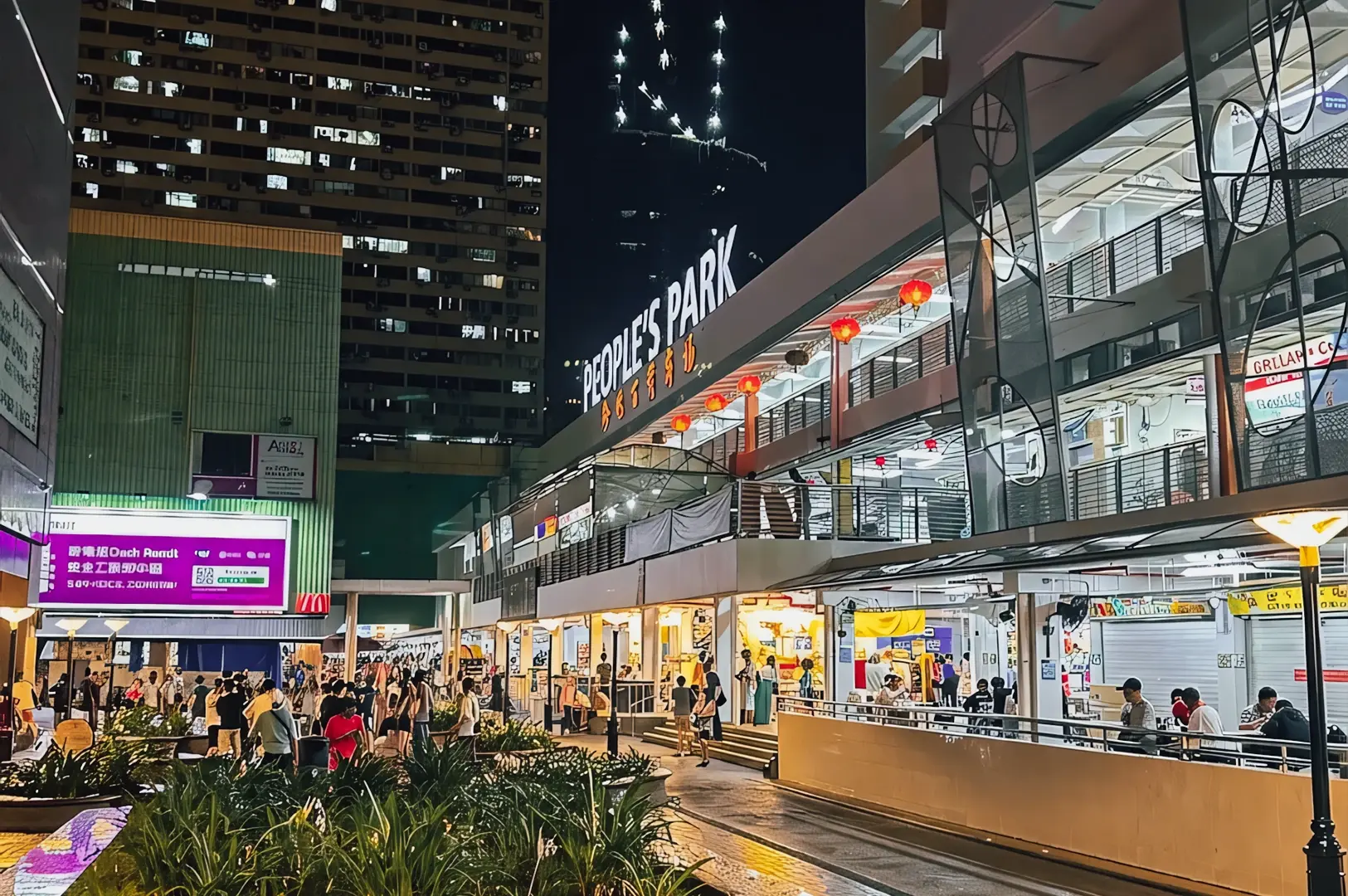
People’s Park Complex remains a vital, beating heart of Singapore’s traditional food scene and urban fabric. It stubbornly refuses to conform to the polished, sterile aesthetic of modern shopping malls, and we are all the better for it. For you people who thrive on authentic community vibes and enjoy mingling with longtime residents and fellow food lovers, this is a place where social and cultural dynamics come alive.
Best for: Hawker food purists, solo diners, budget-conscious travelers, and anyone doing a Chinatown heritage walk.
Avoid if: You need stroller-friendly comfort, air-conditioned tranquility, or quiet, romantic dining spaces.
Specific Recommendations:
- Best time to visit: Arrive by 10:30 am on a weekday. You can enjoy a peaceful meal before the brutal lunchtime queues form. Avoid the dinner peak if you plan to eat at the famous mala or Sichuan stalls.
- Must-try dishes: The $6 Yong Tau Foo at Yong Xiang Xing Dou Fu, and the $5 Xiao Long Bao at Hong Peng. If you want Lek Kee’s braised duck, get there before 1:00 pm before they sell out.
- Dietary options: Options for strict vegetarians and Halal-certified diners are quite limited here, as the ecosystem leans heavily into traditional Chinese pork and seafood dishes.
- Alternatives: If the heat and crowding become too much, simply walk over to Chinatown Point for a comfortable, air-conditioned meal.
Leaving the complex with the scent of roasted garlic and chili still lingering on my clothes, I felt deeply satisfied. People’s Park Complex requires a little patience and a tolerance for crowds, but it rewards you with some of the most soulful, unpretentious food in the country.