
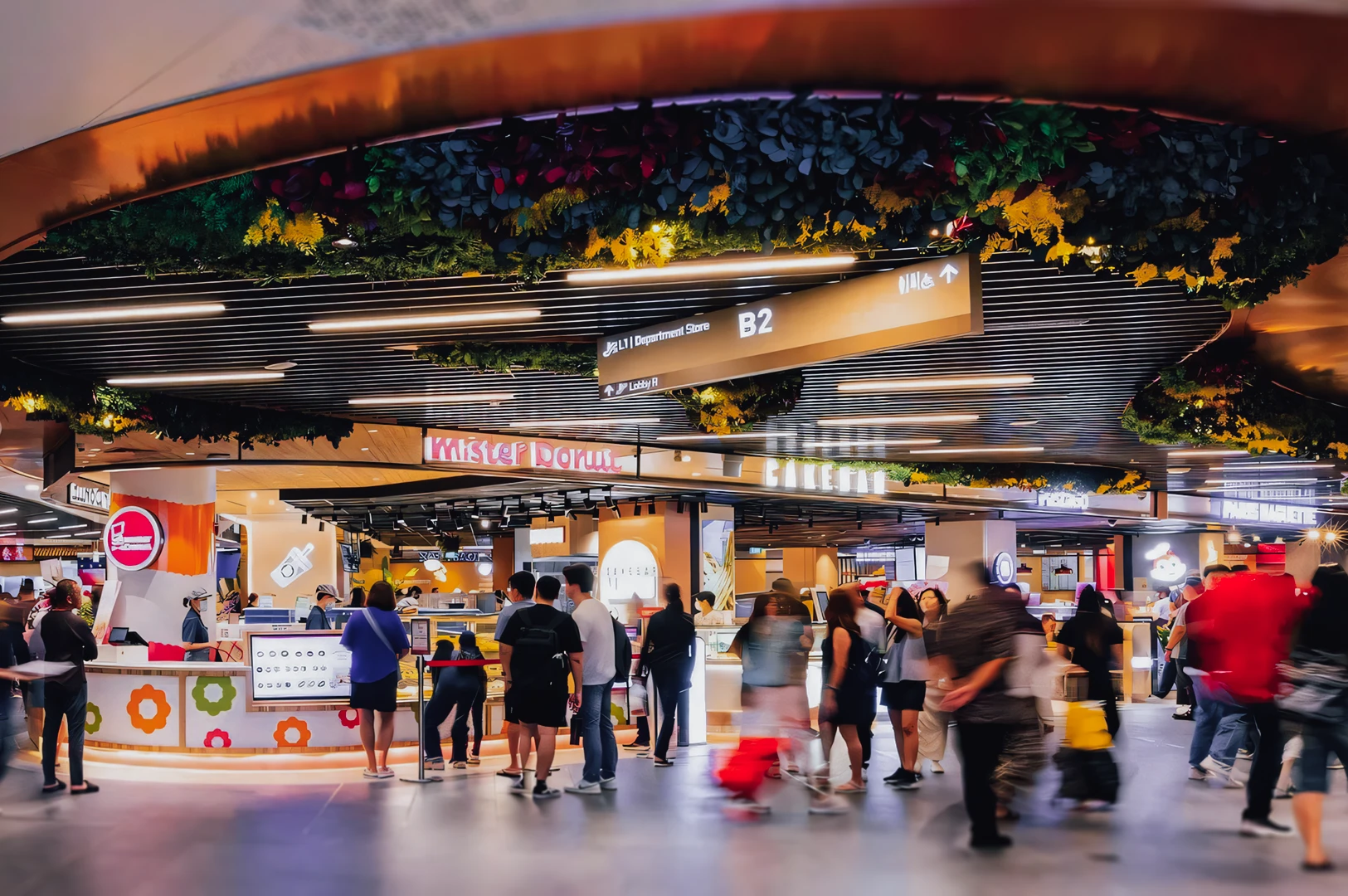
Most people go to shopping malls with a clear destination in mind. They need a new pair of shoes, a birthday gift, or groceries for the week. I go to watch people eat. It sounds like an odd pastime, but in Singapore, our air-conditioned complexes are essentially massive, multi-level dining rooms. If you take the time to walk slowly, without the pressure of a shopping list or a dinner reservation, you start to notice the quiet rhythms of how we feed ourselves.
I pay special attention to the lines that form without fanfare. You know the ones. There is no neon sign flashing about a viral trend, no influencer ring lights, and no grand promotional banners. Instead, there is just a steady, patient line of office workers and retirees outside a basement herbal soup stall or an unassuming traditional bakery.
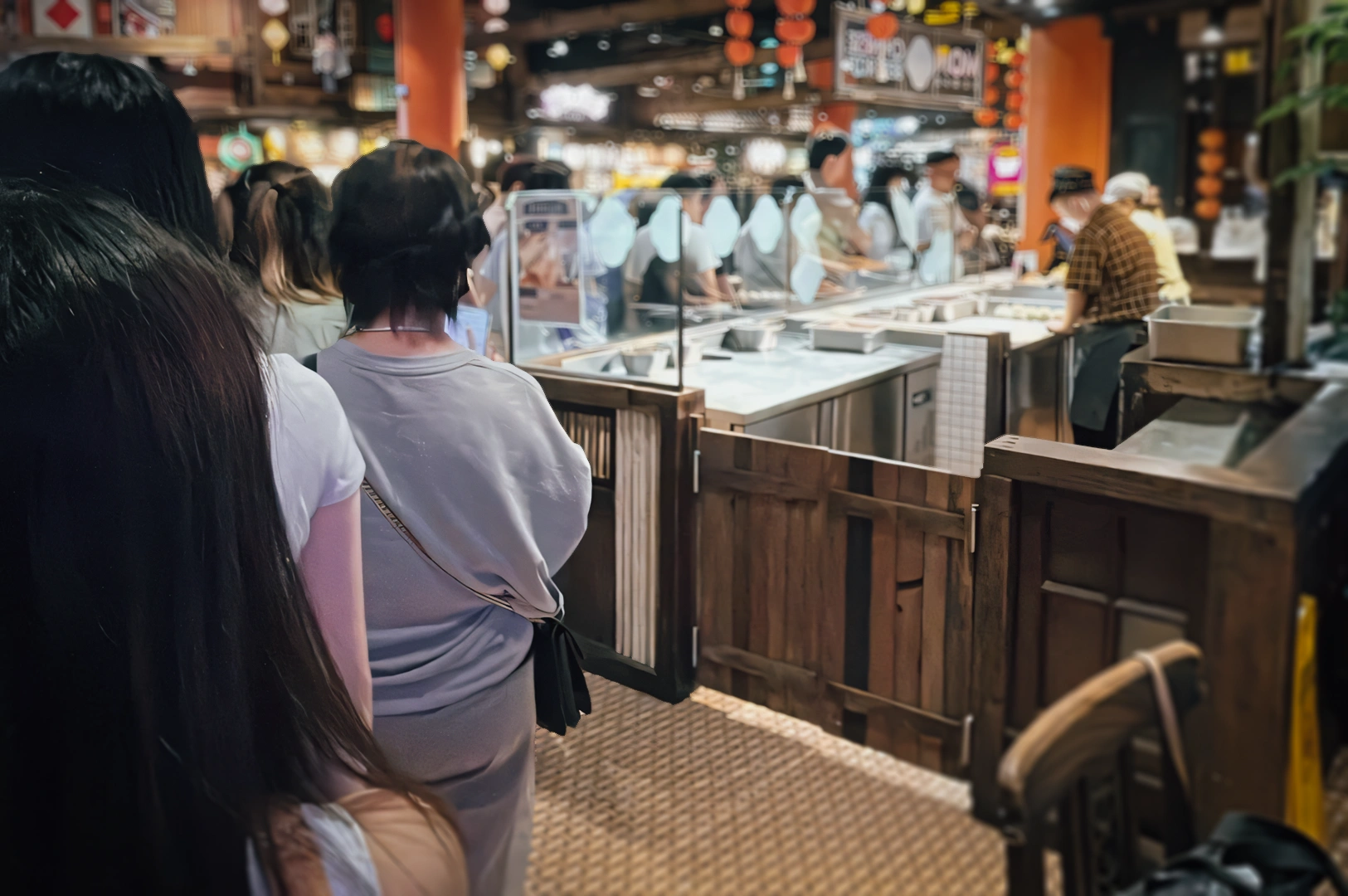
These quiet queues fascinate me. They are built on decades of trust, not clever marketing. The people waiting do not need to look at a menu; they already know exactly what they want. When I join these lines, I usually end up discovering something profoundly comforting. Recently, following a silent queue led me to a brightly lit stall selling traditional kueh. I stood to the side and watched the vendor expertly slice soft, pandan-scented layers of tapioca, wrapping them swiftly in crinkling plastic. It was a masterclass in quiet efficiency. Eating that kueh later, feeling its soft, sticky chew and smelling the rich coconut milk, I realized I had stumbled upon a recipe that had likely survived for generations.
Beyond the queues, I look at the tables. The basement food halls and casual restaurants are where you see cultural continuity happening in real time. Just last week, I watched a grandmother gently break apart a crisp slice of kaya toast for a toddler in a stroller, making sure the cold butter was evenly distributed. At the next table, a group of teenagers was huddled over a steaming claypot of chicken rice, passing dark soy sauce and chili back and forth.
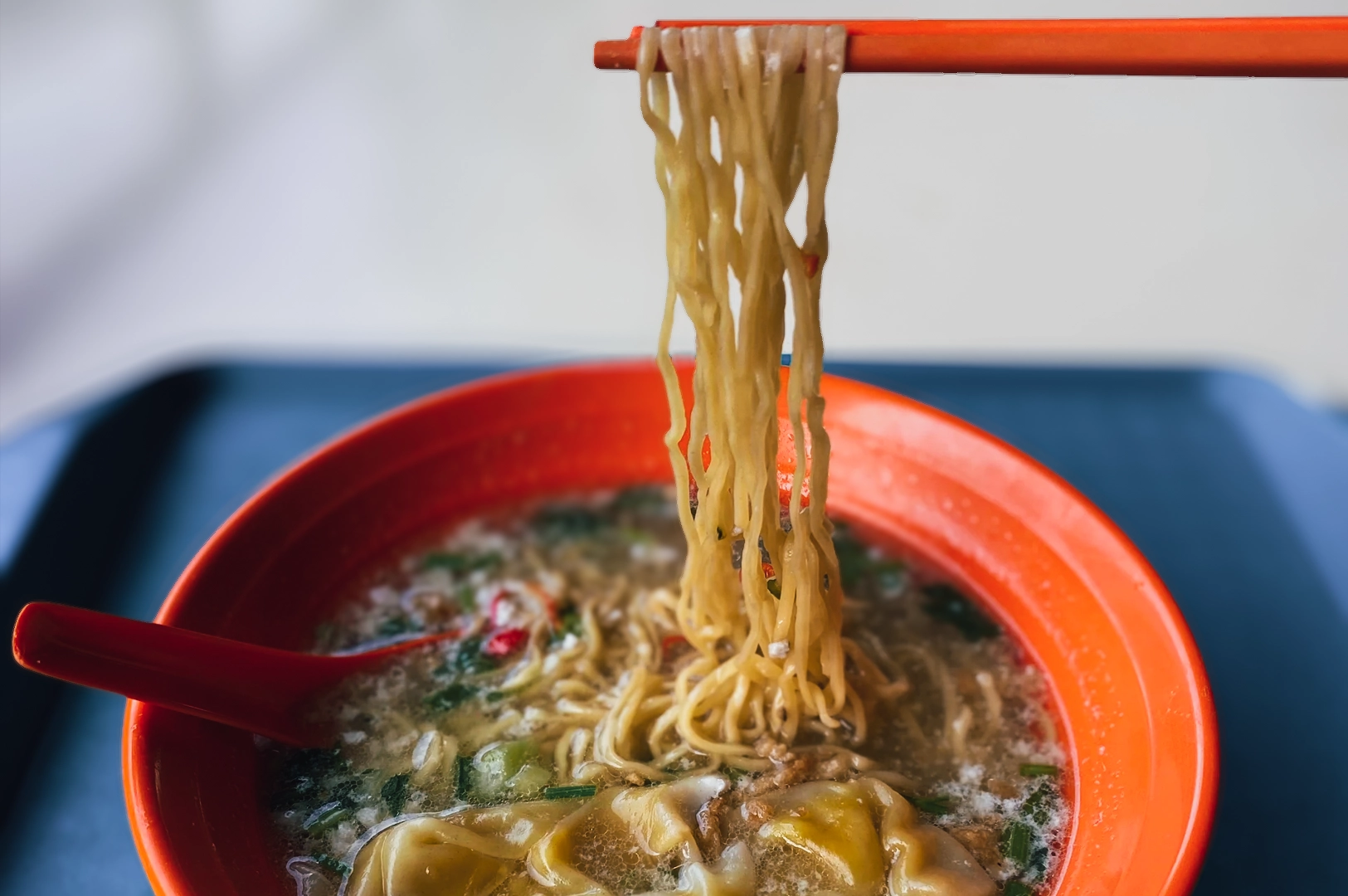
These are not grand culinary statements. They are everyday rituals. But look closer, and you see the preservation of our heritage. You see how a specific vinegar ratio in a bowl of bak chor mee remains the absolute standard for an entire neighborhood. You notice how the clatter of melamine chopsticks and the scrape of ceramic spoons form a familiar, comforting soundtrack. These moments show us that our food culture is not just preserved in cookbooks or high-end heritage restaurants; it breathes and lives in the brightly lit basements of our shopping centers.
This habit of wandering has led me to some of my most cherished meals. You cannot always find these places by scrolling through top-ten lists or algorithm-driven feeds. You find them by noticing the elderly uncle returning to the exact same corner seat every Tuesday for his sliced fish soup. You find them by observing which stall has completely empty display trays by two in the afternoon. These visual cues are deeply honest. They reveal what the community genuinely relies on for comfort and sustenance.
We often treat mall dining as a matter of pure convenience, a quick pit stop to refuel between errands. But if you slow down and look around, you realize these spaces hold the pulse of our food heritage. The next time you find yourself waiting in a mall lobby or passing through a basement corridor, take a moment to look at what the people around you are ordering. You might just find your new favorite dish, quietly sitting on a stranger's table, waiting to be discovered.