
There was a time when food came after the shopping.
It waited at the end of the trip, after the errands were done and the bags had grown heavier. A quick bowl of noodles before heading home. A drink shared while deciding whether to make one last stop. Dessert, perhaps, if there was still time.
Now, in many Singapore malls, the order feels quietly reversed. The meal is no longer an afterthought. It is often the reason people arrive in the first place.
You see it in the way families plan weekends around lunch reservations, how friends agree to meet “near the restaurant” instead of near the shop, how office workers cross into a mall with only one thing in mind: what to eat before returning to the day. Shopping still happens, but it often moves around the meal, shaped by it like a river moving around a stone.
The Meal as the Main Plan
Malls have always understood appetite. Food courts, bakeries, coffee counters, snack kiosks, and restaurants have long been part of their rhythm. But over time, food has become more than a support act.
A café can now set the pace for an afternoon. A dinner plan can decide which mall a group chooses. A dessert stop can turn a short errand into a longer walk. The mall becomes not just a place to buy things, but a place to gather, pause, and belong for a while.
This shift feels especially natural in Singapore, where eating is already one of the easiest ways to make plans. We may say we are going shopping, but often what we remember is the bowl of ramen, the shared plate of dumplings, the coffee after browsing, or the small snack carried from one floor to another.
Food Gives the Mall Its Warmth
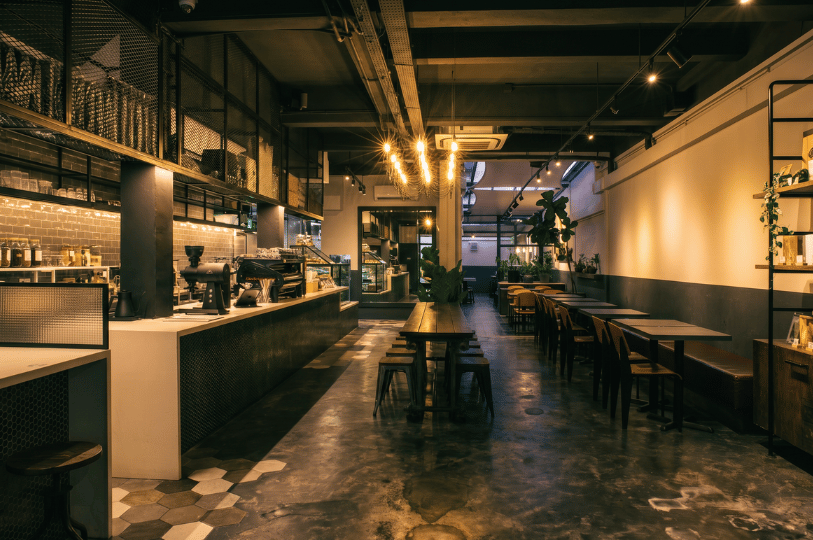
Retail can feel bright and efficient. Food softens it.
The smell of toast near the escalator, the sound of trays in a food court, the slow queue outside a popular restaurant. These are the signs that a mall is being lived in, not just passed through. They give movement a kind of comfort.
A person may enter for a practical reason: to collect something, replace something, compare something. But food changes the mood of the visit. It gives people permission to linger.
That lingering matters. Around tables, people check in with one another. Parents rest their feet. Teenagers stretch a simple meal into an afternoon. Solo diners take their own quiet pause. The mall becomes less transactional, more human.
A New Kind of Mall Memory
Perhaps shopping trips became food trips because food leaves a different kind of memory.
We may forget which shop window caught our attention, or what we almost bought and decided against. But we remember the meal that made the trip feel worthwhile. We remember where we sat, who reached across the table, what was ordered again because someone liked it the first time.
In that sense, food has become one of the mall’s strongest anchors. It gives shape to visits that might otherwise blur into errands and passing time.
The modern mall is still a place of shops, lights, lifts, and storefronts. But increasingly, its heart seems to beat closer to the dining floor.
Somewhere between the first coffee and the last shared dessert, the shopping trip changed. It became a food trip, quietly and completely.